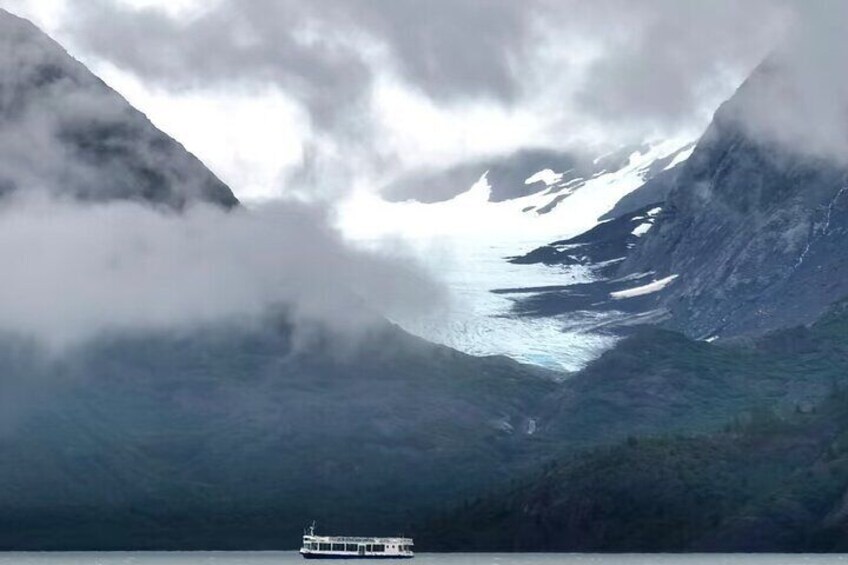



Hear the roar of cracking ice on a boat tour around glaciers and find beaches and mountain forests in the state parks of this vast region.
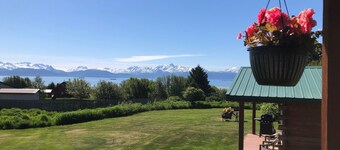
Visit the Kenai Peninsula to see snowy mountains reflected in the cool turquoise water of lakes. Embark on an adventure tour from one of the many operators for a thrilling time with impressive forces of nature. Explore charming historic towns and numerous state parks dotted around this area of spectacular natural landmarks.
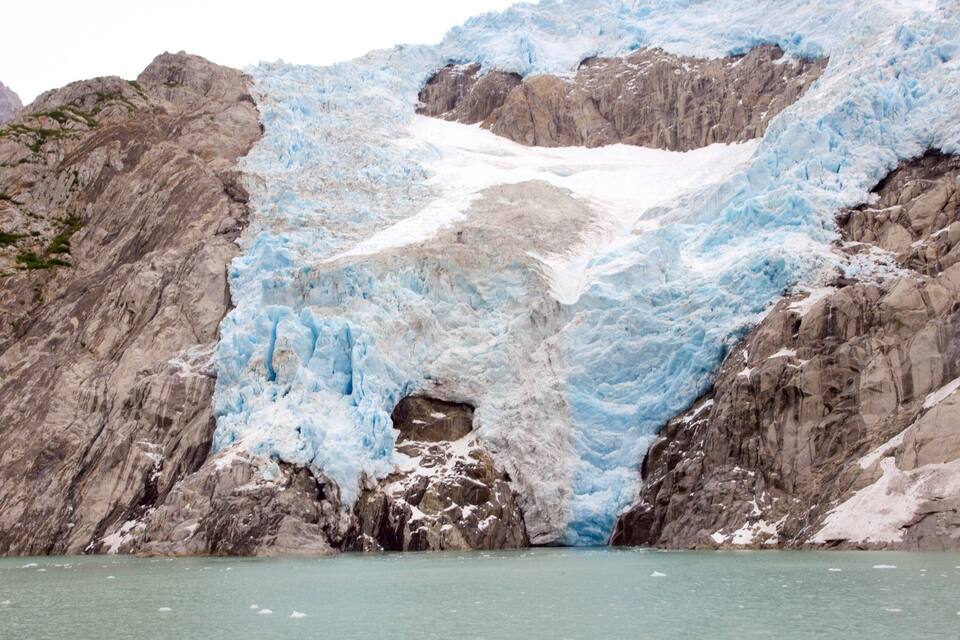
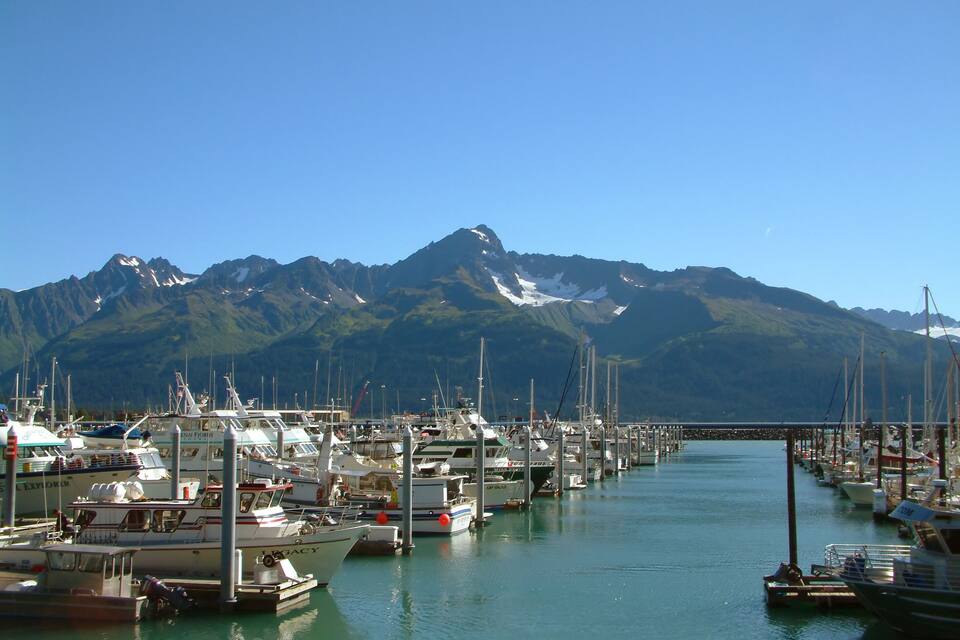
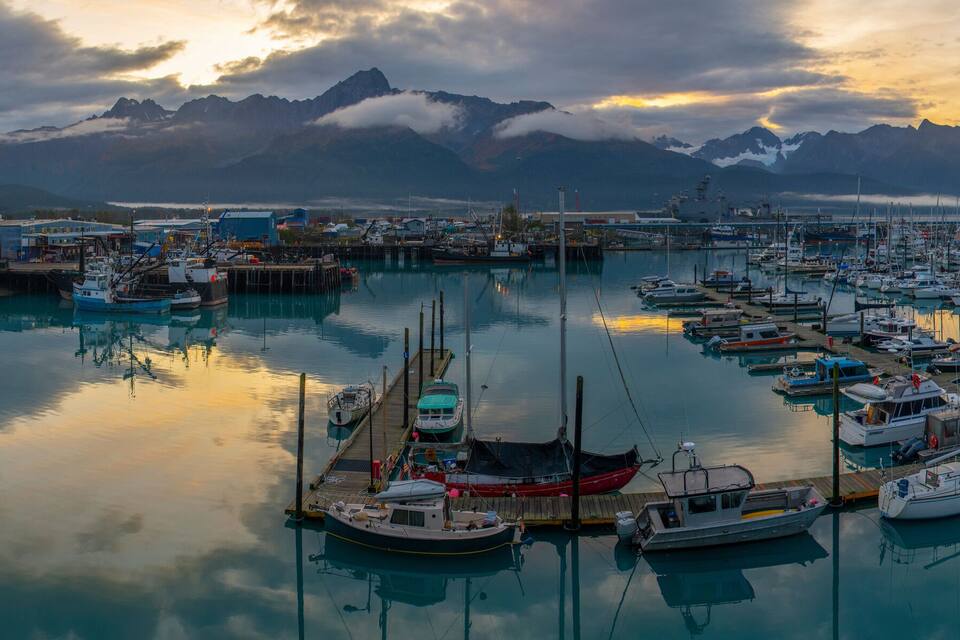
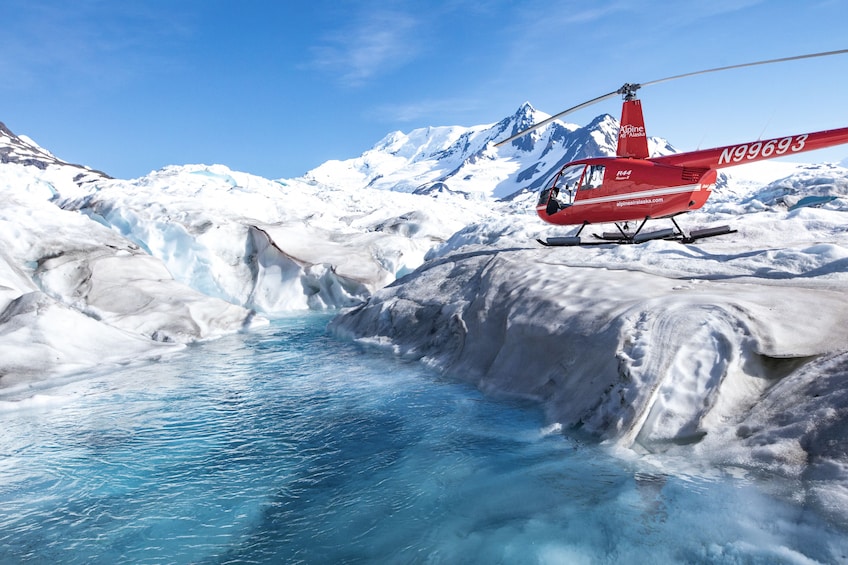
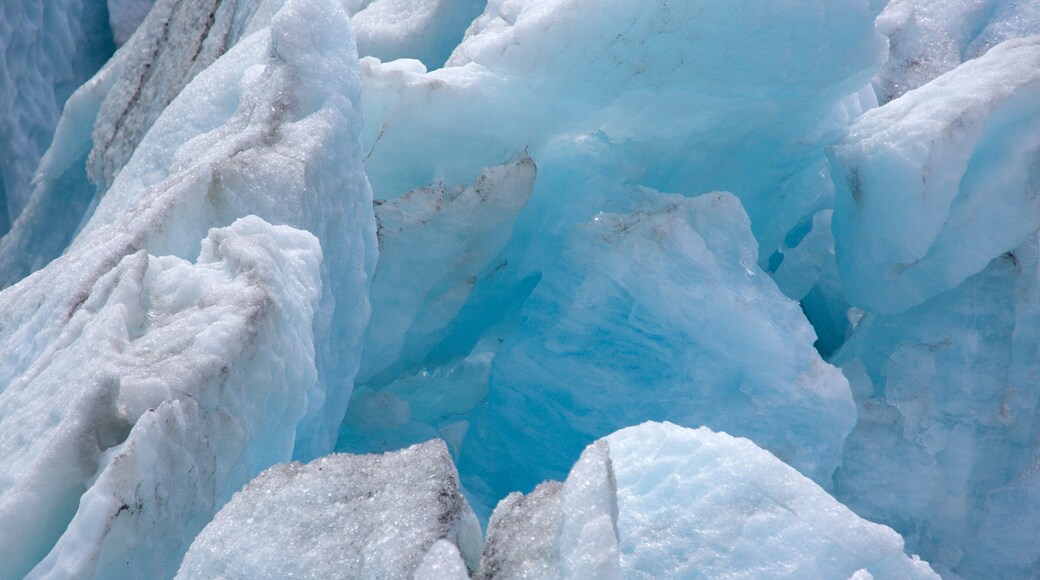
Get a sense of local culture in one of the towns. Stop at SewardOpens in a new window for its bustling harbor, Seward Museum and Alaska SeaLife Center. From here, ride a boat through Resurrection Bay to get a closer look at the mesmerizing sites of Kenai Fjords National ParkOpens in a new window. Marvel at the size of the blue ice at Bear Glacier and Holgate Glacier. Head east for dog sled tours of Godwin Glacier.
Pitch a tent at a campsite to sleep under stars and hear only sounds of animal calls in remote areas.
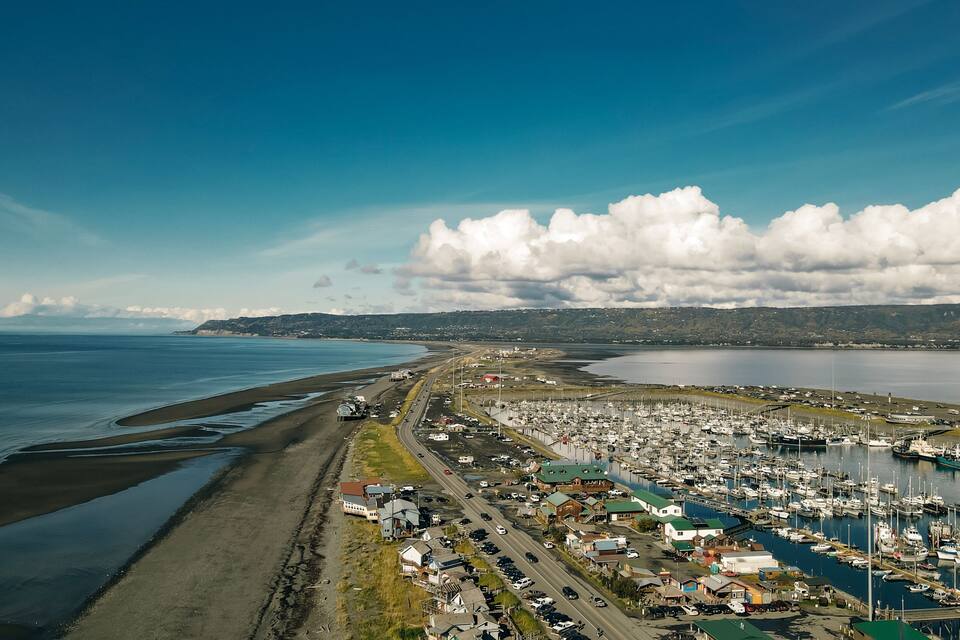
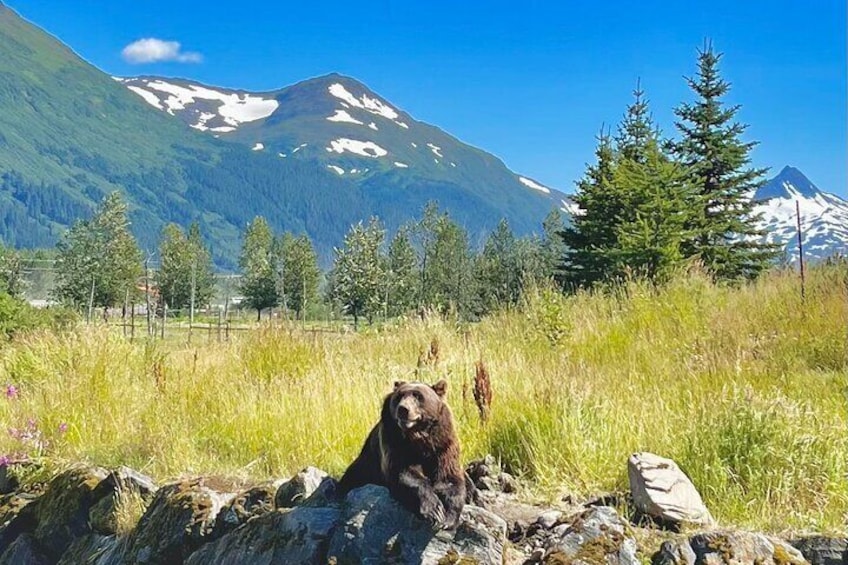
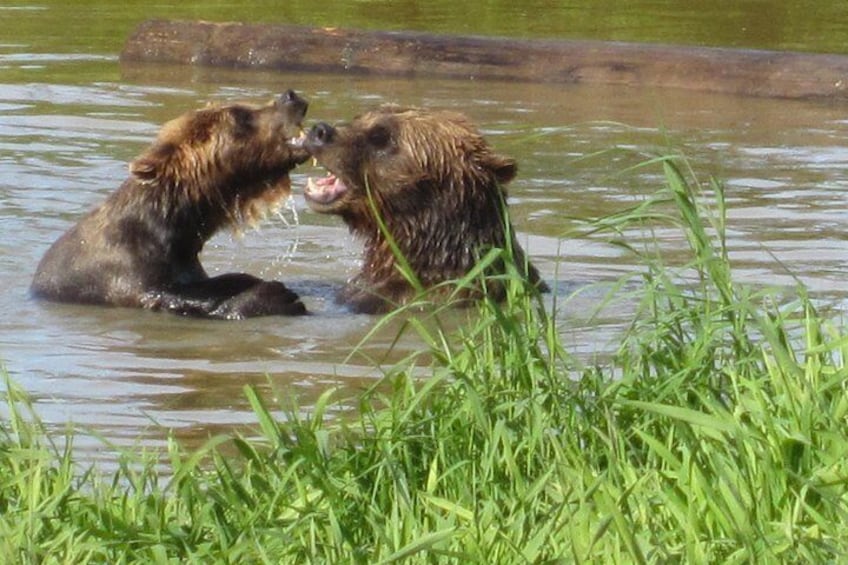
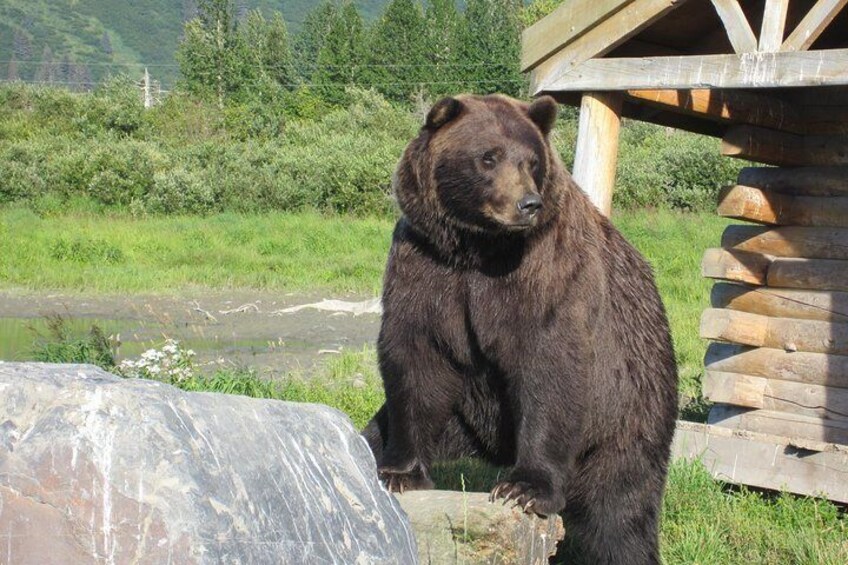
Travel west to Tustumena Glacier beside its namesake lake. The area is known for game hunting and dog sledding. Further west is the quaint town of Homer, where you will find the Alaska Islands and Ocean Visitor Center. Spot the many types of wildlife at this refuge for seabirds. Visit the Wynn Nature Center nearby for guided hikes of the forest to see wildflowers, moose and bears.
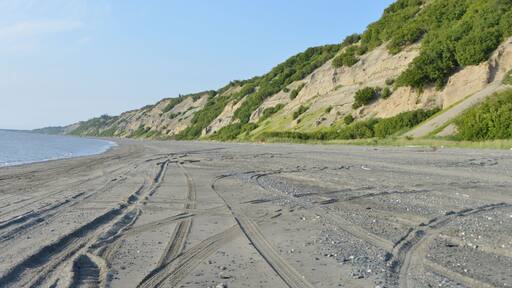
In the southwestern corner of the peninsula lies Kachemak Bay State Park, which is only accessible by boat or plane. See whales, black bears and sea otters in this wild land with no roads. The vast park has a remarkably diverse terrain. Climb coastal cliffs, relax on a sandy beach and trek through dense mountain forests.
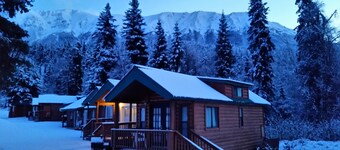
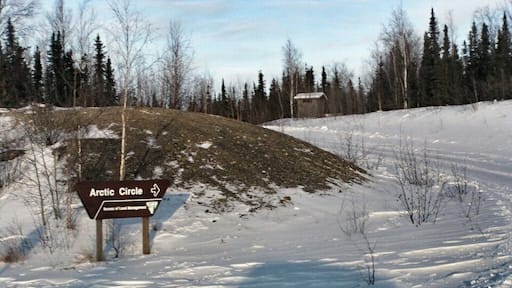
The region encounters harsh winters full of snow and freezing temperatures. Summers are pleasant with cool winds, making for ideal picnic and hiking conditions.
The peninsula juts out from the southern part of Alaska between the Cook Inlet and the Gulf of Alaska. Start in Chugach State Park and head south. Seward is the southern terminus of the Alaska Railroad and Homer marks the end of the North American highway network.
Discover extraordinary wildlife and vegetation in Kenai Peninsula, a land of spectacular glaciers and fjords.