
Things to do in Tegalrejo
Activities, attractions and tours
Visit Tegalrejo
Things to do

Yogyakarta: Jomblang Cave and Pindul Cave adventure Trip
P1,805
per adult

Jomblang Cave & Pindul Cave Including Guide, Lunch & Ticket
P1,901
per adult

Yogyakarta: Merapi Volcano Lava Viewing (with Entry Ticket)
P2,108
per adult

Yogyakarta: Merapi Lava View with Jeep Night Tour & campfire
P2,129
per adult

Yogyakarta: Royal Palace, Timang Beach, & Sunset Tour
P2,224
per adult

Yogyakarta Volcanoes: Mount Merapi on a Hilltop (Lava View)
P2,053
per adult

Yogyakarta: Jet Ski, Sand Dunes Jeep & Sunset Adventure ✅
P2,224
per adult

Explore Pindul Cave & Timang Beach with a 4x4 Jeep
P2,053
per adult
 Explore activitiesExplore thousands of experiences from activities and attractions to day tours and transfer.
 Book with easeSkip the line- book tickets online in minutes to top attractions with free cancellation on many activities.
 Treat yourselfMembers save % or more when you book activities.
Top places to visit
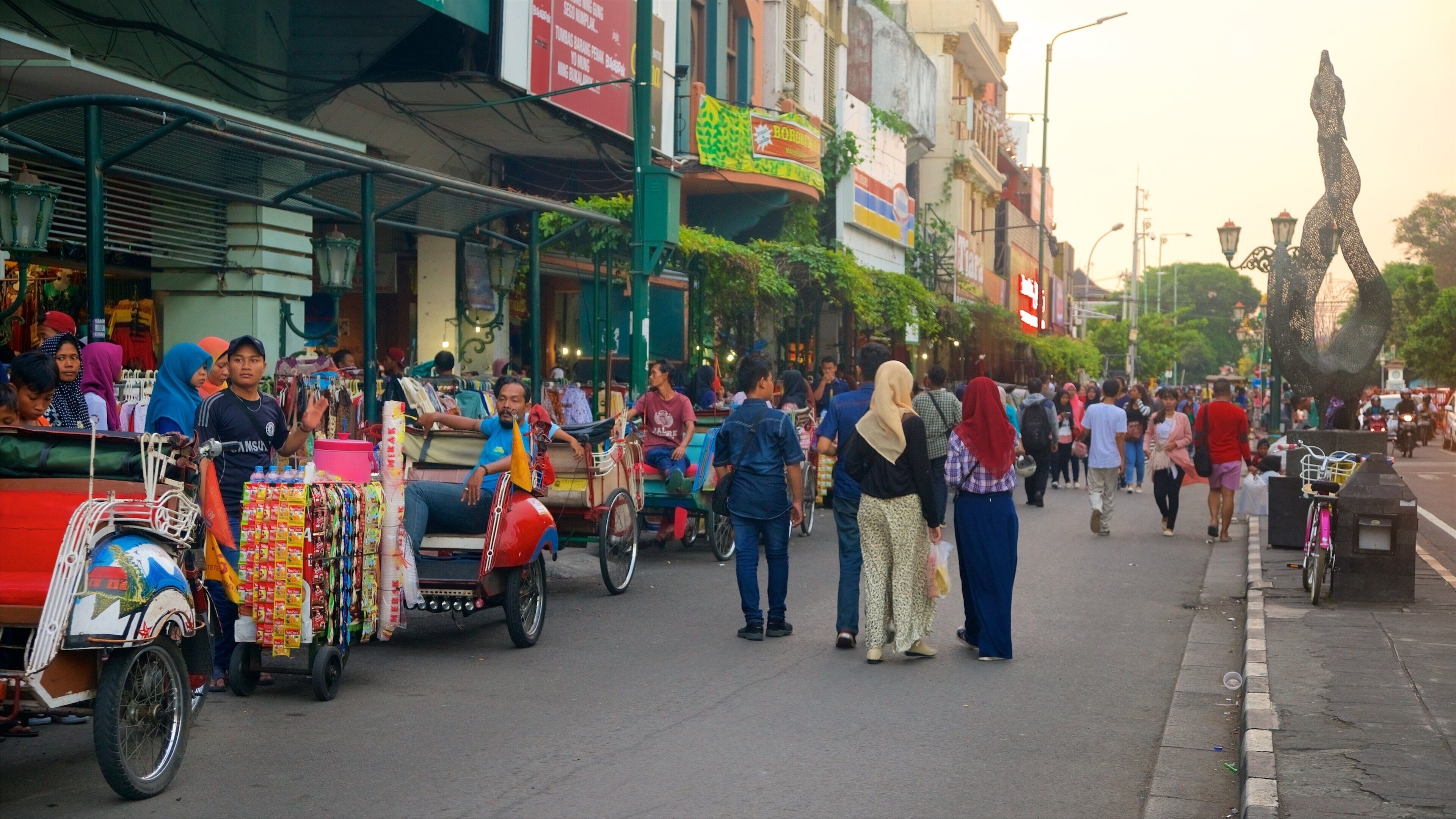
1. Malioboro Street
Visit the innumerable shops, markets, cafés and restaurants of Malioboro Street (Jalan Malioboro), an enthralling and entertaining district. Malioboro Street dissects the heart of Yogyakarta’s city center while its adjoining side streets offer further retail and dining options. During the colonial years, the street was the center for the Dutch government. It was later used as a ceremonial boulevard for the Yogyakarta Sultanate. The name is said to come from the Duke of Marlborough, a prominent figure during the British rule of Indonesia.
Learn more
2. Borobudur Temple
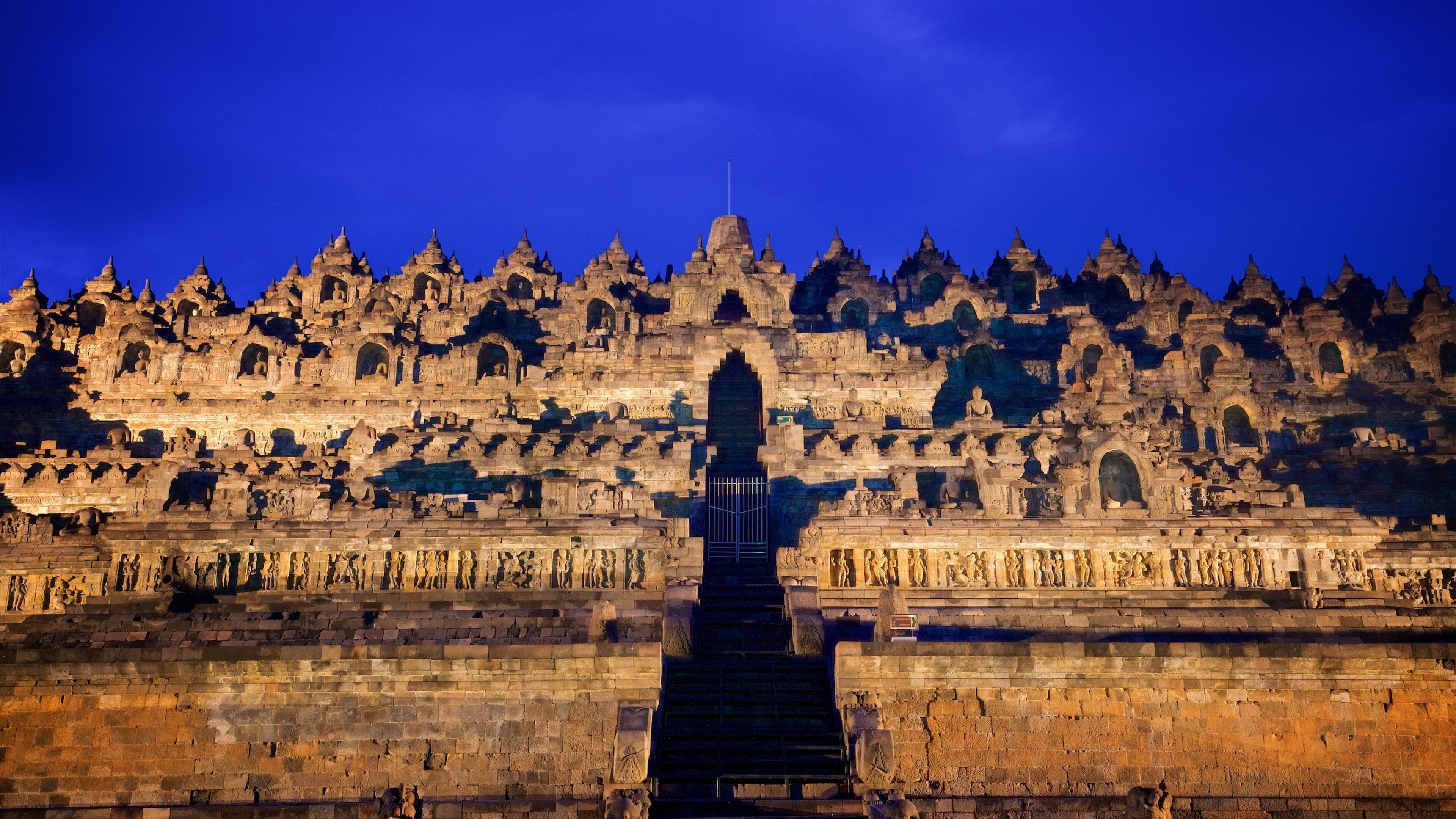
Borobudur Temple is an otherworldly Mahayana Buddhist temple compound. The UNESCO site comprises nine layered platforms and myriad shapes that come together to form this astounding complex. Marvel at the sheer invention and variation in the décor and architecture in one of Buddhism’s most prominent and iconic monuments.
Learn more
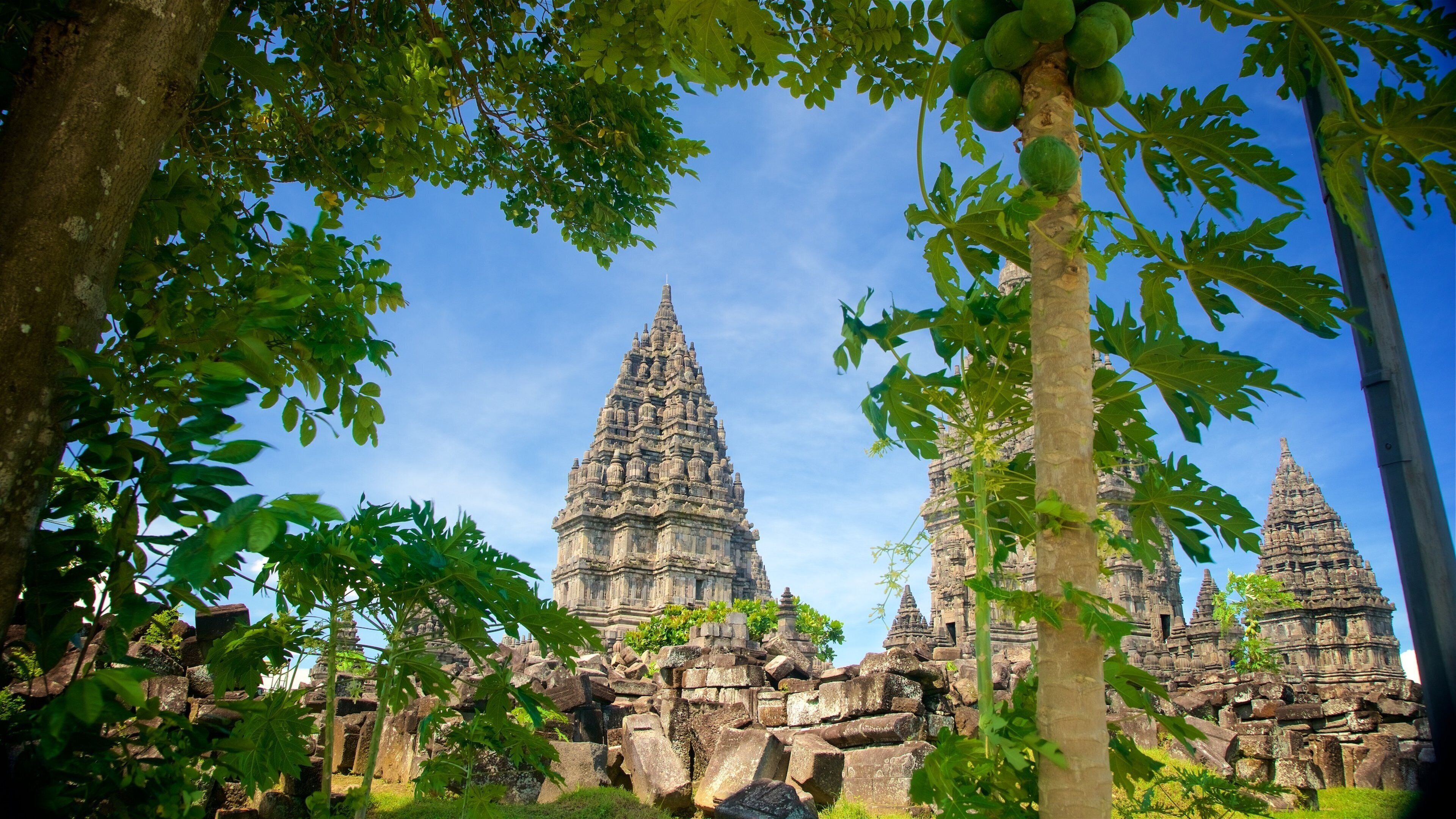
3. Prambanan Temple
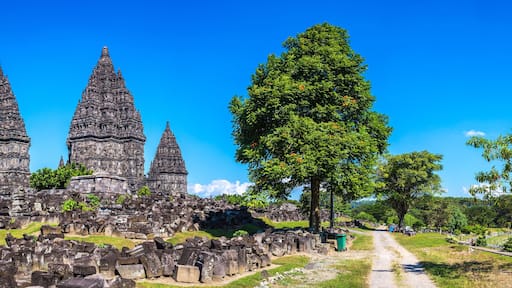
With its otherworldly appearance and elaborate décor, the Prambanan Temple is considered a masterpiece of Hindu architecture. The 8th-century spiritual compound consists of many temple buildings that seem to rise from the ground with jagged gray spikes. Admire the spectacular architecture and profound meaning of this exceptional UNESCO heritage site.
Learn more
4. Tugu Yogyakarta
The Tugu Monument is an elaborate obelisk in the heart of the city that has special meaning for the people of Yogyakarta. The 18th-century structure was built by the first sultan of the city in a symbolic location between the Indian Ocean, Mount Merapi and the Kraton Complex. Use the monument as a practical gathering point to meet friends and family during your vacation here.
Learn more

5. Gembira Loka Zoo
The Gembira Loka Zoo is a vast complex containing many animal enclosures, a botanical garden and scenic grounds. Spread out across a picturesque region of 54 acres (22 hectares), the zoo contains around 470 animals. Bring the kids to the children’s park for a fun day out with the family.
Learn more