

Hotels with Spa in Surakarta, Central Java
 Change your mindBook hotels with free cancellation
 Be pickySearch almost a million properties worldwide
Check availability on Surakarta Hotels with Spa
Tonight
Sep 29 - Sep 30Tomorrow
Sep 30 - Oct 1This weekend
Oct 2 - Oct 4Next weekend
Oct 9 - Oct 11Our top choices for Surakarta hotels with a spa


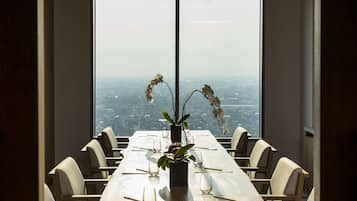

1. Alila Solo, Java
Alila Solo, JavaSurakarta
- Indulge in daily hot stone massages and aromatherapy at this hotel's full-service spa with hot tub and sauna.
P4,082
P4,939 total
includes taxes & fees
Oct 14 - Oct 15
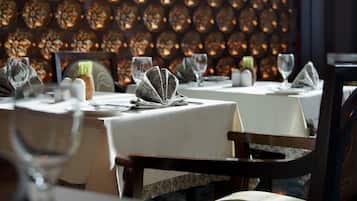
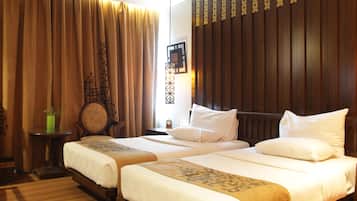

2. The Royal Surakarta Heritage - Handwritten Collection
The Royal Surakarta Heritage - Handwritten CollectionSolo City Centre
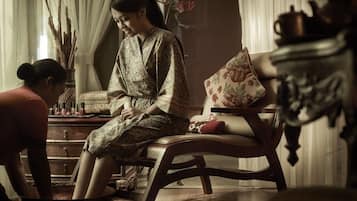
- Indulge in luxurious wellness treatments at this Solo City Centre hotel with a full-service spa and sauna.
P1,868
P2,261 total
includes taxes & fees
Sep 30 - Oct 1
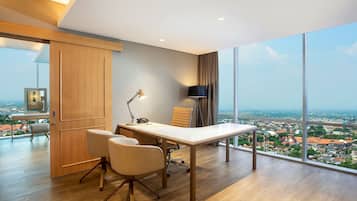

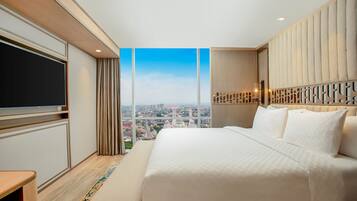

3. Swiss-Belhotel Solo
Swiss-Belhotel SoloBanjarsari
- Indulge in rejuvenating massages at this upscale Solo hotel with outdoor pool, fitness center, and attentive staff for ultimate relaxation.
P2,558
P3,095 total
includes taxes & fees
Sep 30 - Oct 1
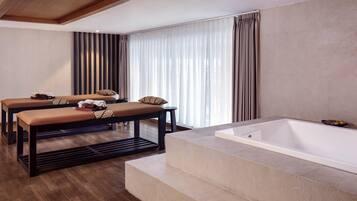

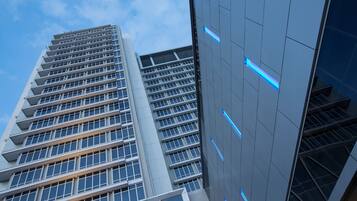

4. Grand Mercure Solo Baru
Grand Mercure Solo BaruGrogol
- Escape to a tranquil Indonesian sanctuary with hot springs, full-service spa, and poolside bliss.
P2,711
P3,281 total
includes taxes & fees
Oct 4 - Oct 5
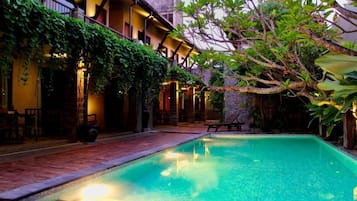


5. Rumah Batu Boutique Hotel
Rumah Batu Boutique HotelBaki
- Retreat to this resort's full-service spa and natural pool, surrounded by a verdant garden sanctuary for total relaxation.
P1,674
P2,025 total
includes taxes & fees
Sep 30 - Oct 1


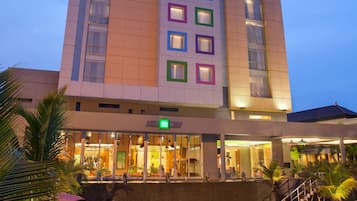
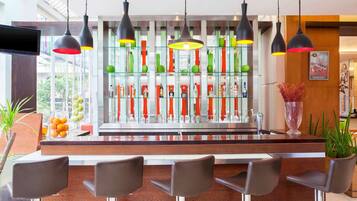
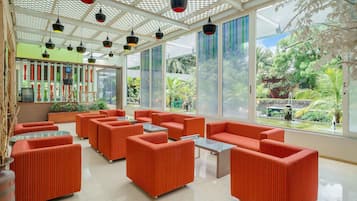
6. ibis Styles Solo
ibis Styles SoloSolo City Centre
- Escape to an oasis of calm at this Solo City Centre hotel featuring a full-service spa and dual outdoor pools.
P1,298
P1,570 total
includes taxes & fees
Sep 30 - Oct 1
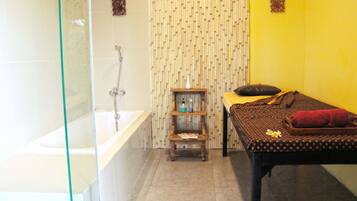

7. Ramada Suites by Wyndham Solo
Ramada Suites by Wyndham SoloColomadu
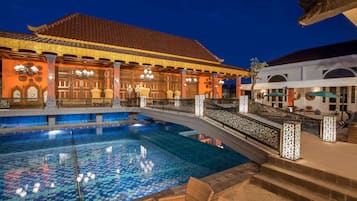
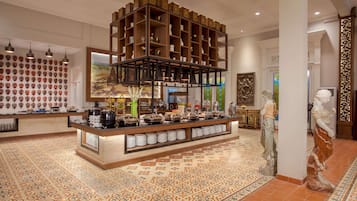
- Wellness retreat offers spa treatments, outdoor pool sanctuary, and fitness center for relaxation in Solo.
P1,868
P2,261 total
includes taxes & fees
Sep 30 - Oct 1
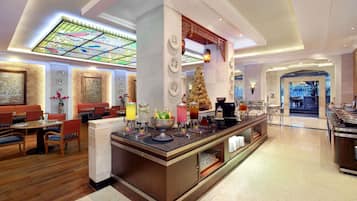

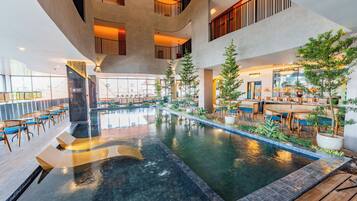
8. Novotel Solo
Novotel SoloSolo City Centre
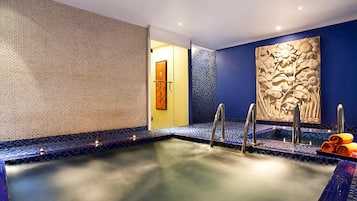
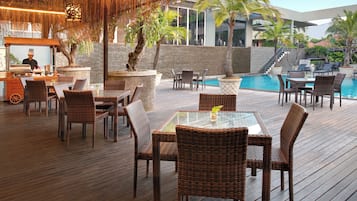
- Luxuriate in an urban sanctuary with 5 couples spa rooms, aromatherapy sessions, and outdoor pools at this upscale Solo City retreat.
P1,897
P2,295 total
includes taxes & fees
Sep 30 - Oct 1
View all properties



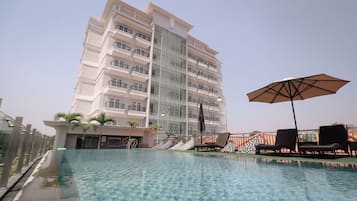
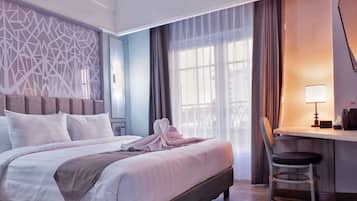
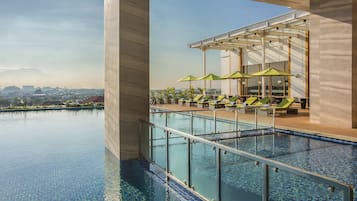
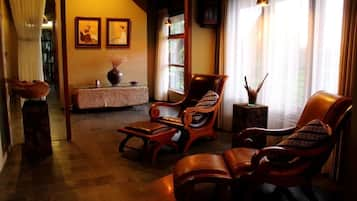
Spa hotels with pools in Surakarta

P4,082
P4,939 total
includes taxes & fees
Oct 14 - Oct 15

P2,558
P3,095 total
includes taxes & fees
Sep 30 - Oct 1
P1,674
P2,025 total
includes taxes & fees
Sep 30 - Oct 1


P2,711
P3,281 total
includes taxes & fees
Oct 4 - Oct 5


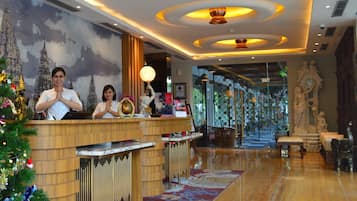
The Royal Surakarta Heritage - Handwritten Collection
The Royal Surakarta Heritage - Handwritten CollectionSolo City Centre
P1,868
P2,261 total
includes taxes & fees
Sep 30 - Oct 1
P1,868
P2,261 total
includes taxes & fees
Sep 30 - Oct 1
P2,074
P2,510 total
includes taxes & fees
Oct 20 - Oct 21
P1,298
P1,570 total
includes taxes & fees
Sep 30 - Oct 1

P1,897
P2,295 total
includes taxes & fees
Sep 30 - Oct 1
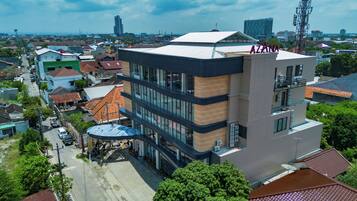

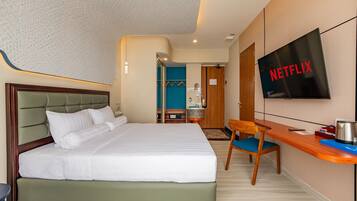
Azana Boutique Hotel Solo
Azana Boutique Hotel SoloLaweyan
P2,284
P2,763 total
includes taxes & fees
Sep 30 - Oct 1
Spa hotels with free breakfast in Surakarta
P4,082
P4,939 total
includes taxes & fees
Oct 14 - Oct 15
P2,558
P3,095 total
includes taxes & fees
Sep 30 - Oct 1
P2,711
P3,281 total
includes taxes & fees
Oct 4 - Oct 5
P1,298
P1,570 total
includes taxes & fees
Sep 30 - Oct 1
P1,674
P2,025 total
includes taxes & fees
Sep 30 - Oct 1
The Royal Surakarta Heritage - Handwritten Collection
The Royal Surakarta Heritage - Handwritten CollectionSolo City Centre
P1,868
P2,261 total
includes taxes & fees
Sep 30 - Oct 1
P1,682
P2,035 total
includes taxes & fees
Oct 11 - Oct 12
P1,868
P2,261 total
includes taxes & fees
Sep 30 - Oct 1
P2,074
P2,510 total
includes taxes & fees
Oct 20 - Oct 21
P1,897
P2,295 total
includes taxes & fees
Sep 30 - Oct 1
Lowest nightly price found within the past 24 hours based on a 1 night stay for 2 adults. Prices and availability subject to change. Additional terms may apply.
View all propertiesTop Surakarta Hotel Reviews
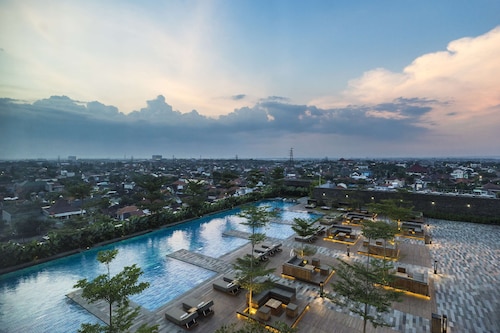
Alila Solo, Java
10/10 Excellent
"Hotel was very clean and staff very helpful. Beautiful view from the room and the pool was amazing. A lot of food options at breakfast. Definitely recommend and will stay here again."