

As the most populated region in the state, Southcentral Alaska combines the majesty and excitement of the wilderness with charming, accessible cities.
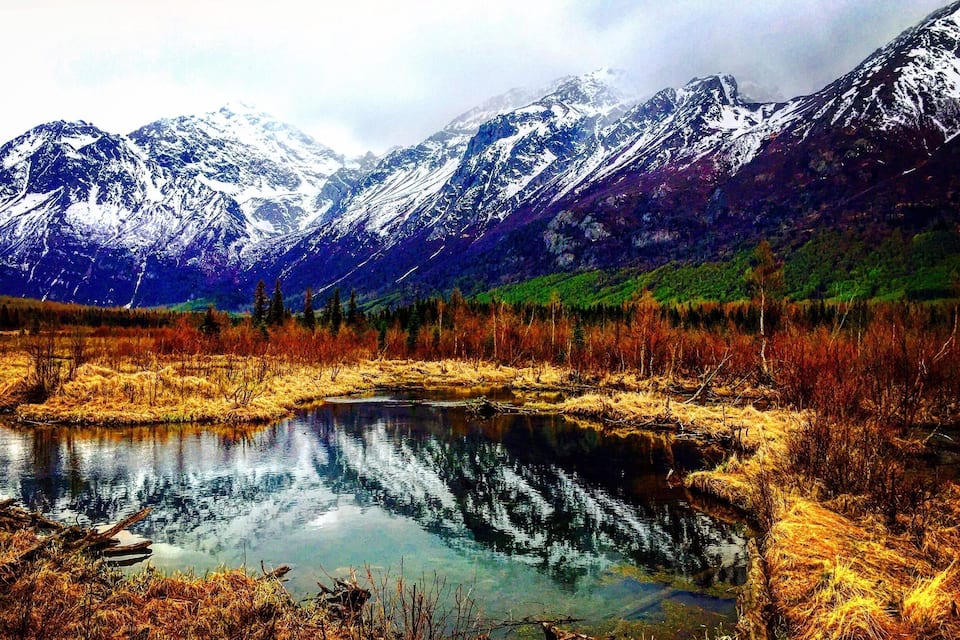
Southcentral Alaska is a gateway to all of the thrills and wonder of America’s last frontier. Creaking, ancient glaciers, craggy peaks and forested rivers are just a short journey away from some of the state’s liveliest cities. Enjoy all the amenities of modern Alaska and visit a wide array of cultural attractions on the coast before venturing into the enticing wilderness that lies beyond the coast.
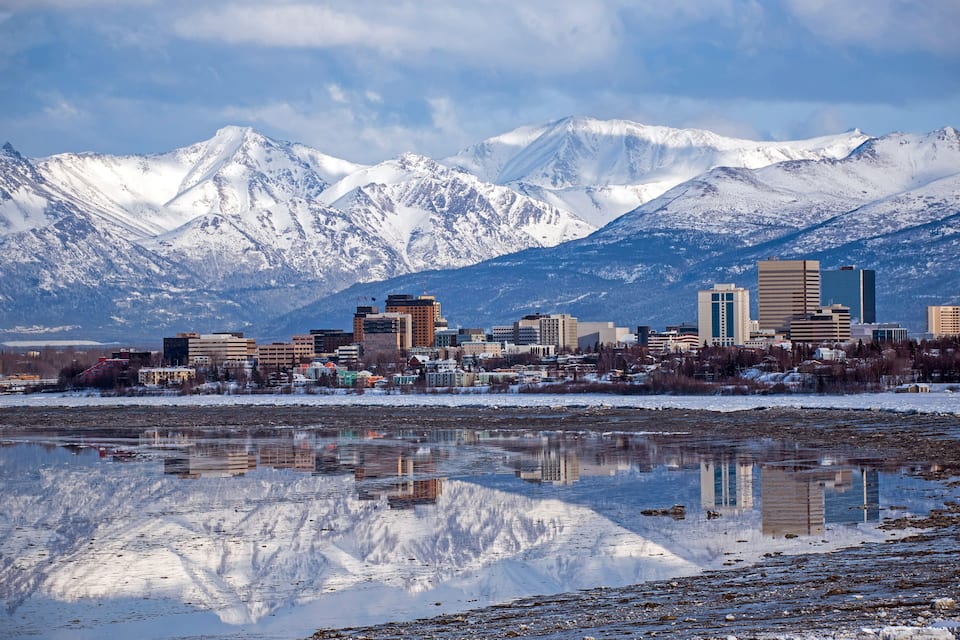
The Southcentral region is one of the best places in Alaska to learn about the state’s indigenous communities. Explore Anchorage, the largest city in the state, and visit the Alaska Native Heritage Center. Join one of the guided tours of the exhibits and villages for expert insight into the history of the region.
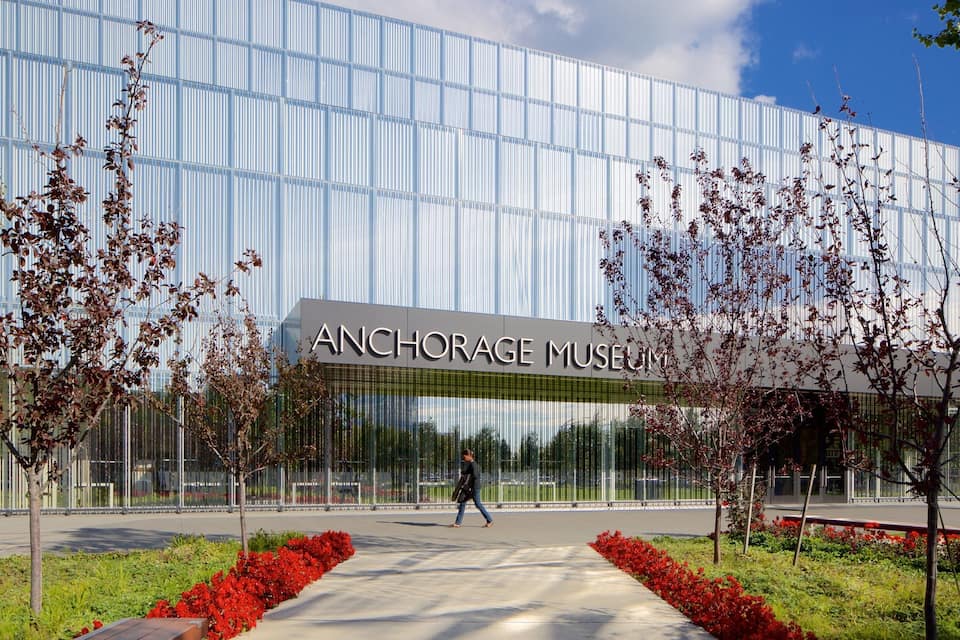
Linger in Anchorage to discover more of the city’s attractions. The Anchorage Museum and the Alaska Aviation Heritage Museum examine different aspects of the state’s history. Take your family to the Alaska Wildlife Conservation Center and the Alaska Zoo, where visitors of all ages can meet the region’s beautiful wildlife.
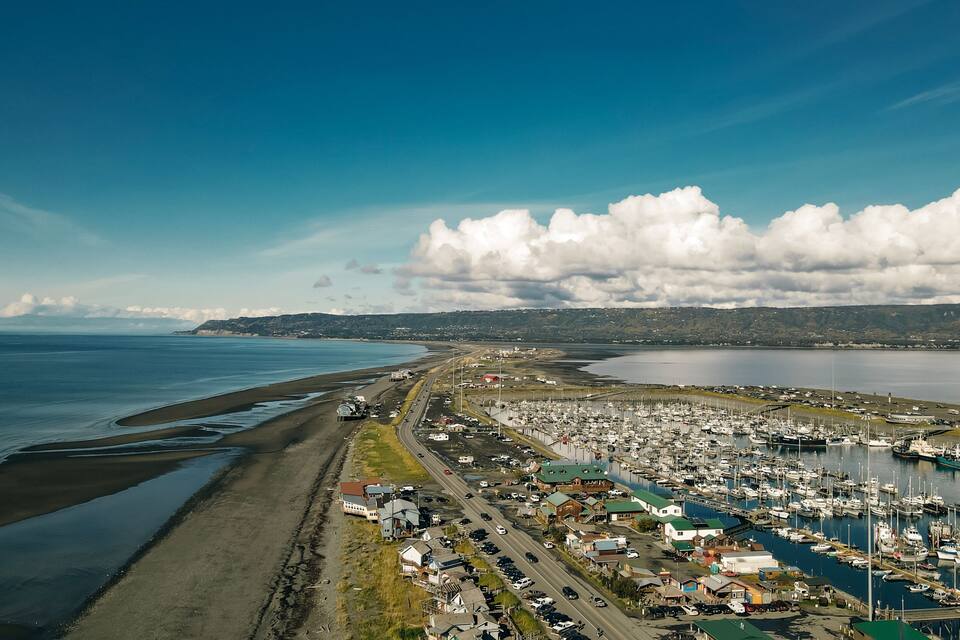
Discover the towns scattered along the Kenai Peninsula, which are known for their laid-back and creative atmospheres. Mingle with artists in Girdwood and browse the galleries of Homer and Old Town Kenai.
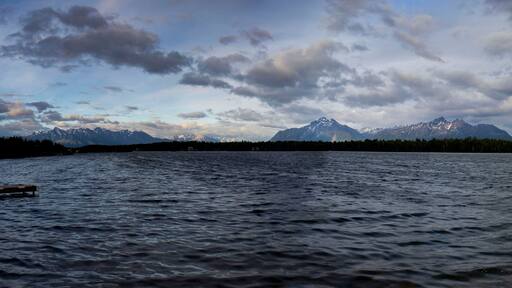
Head into the Wrangell Mountains around the Copper River Valley or hike into Chugach National Forest for wilderness escapes on your doorstep. Those that prefer to explore from the water can join kayaking or white-water rafting expeditions along the Kenai, Matanuska and Sixmile Rivers.
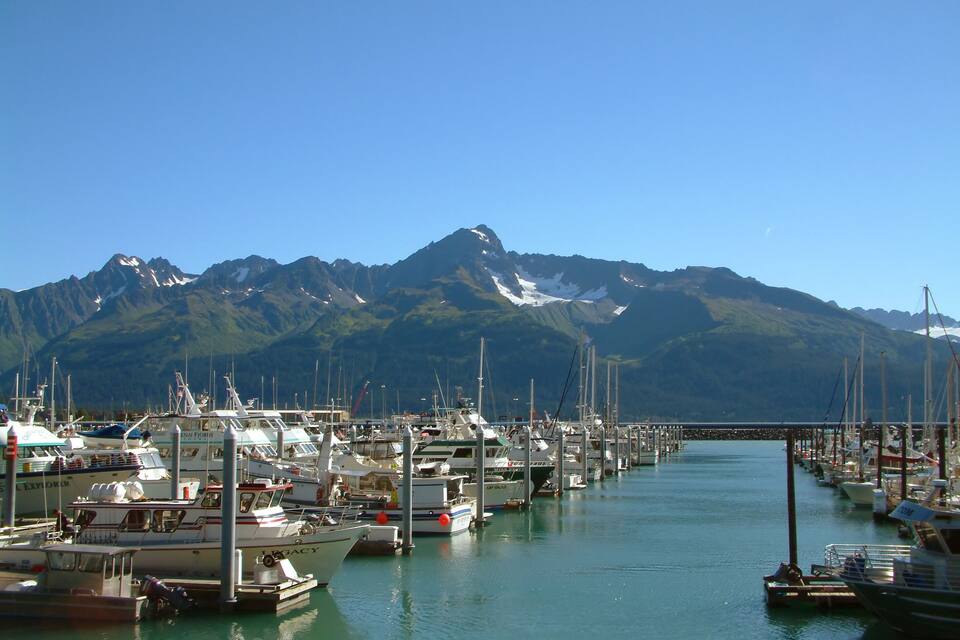
Fly into Ted Stevens Anchorage International Airport then choose one of many different ways to travel around Southcentral Alaska. Water taxis skim around the coastline while the Alaska Railroad promises hours of uninterrupted scenery.
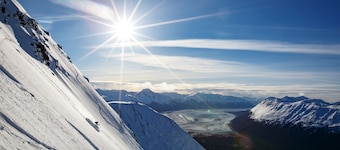
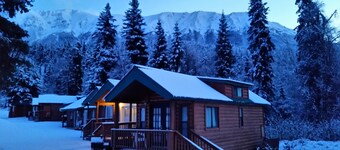
Unlike Far North Alaska, summers in Southcentral can have long stretches of hot weather, making it a perfect time to explore the region. The temperature in winter drops well below freezing, but the season offers the chance to ski on the Kenai Peninsula and maybe even see the northern lights.