
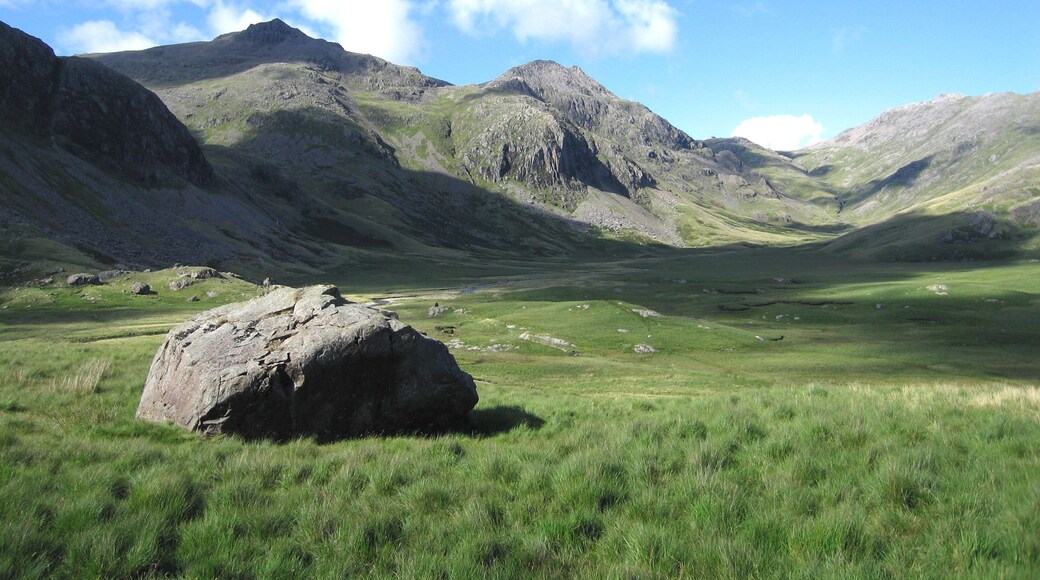
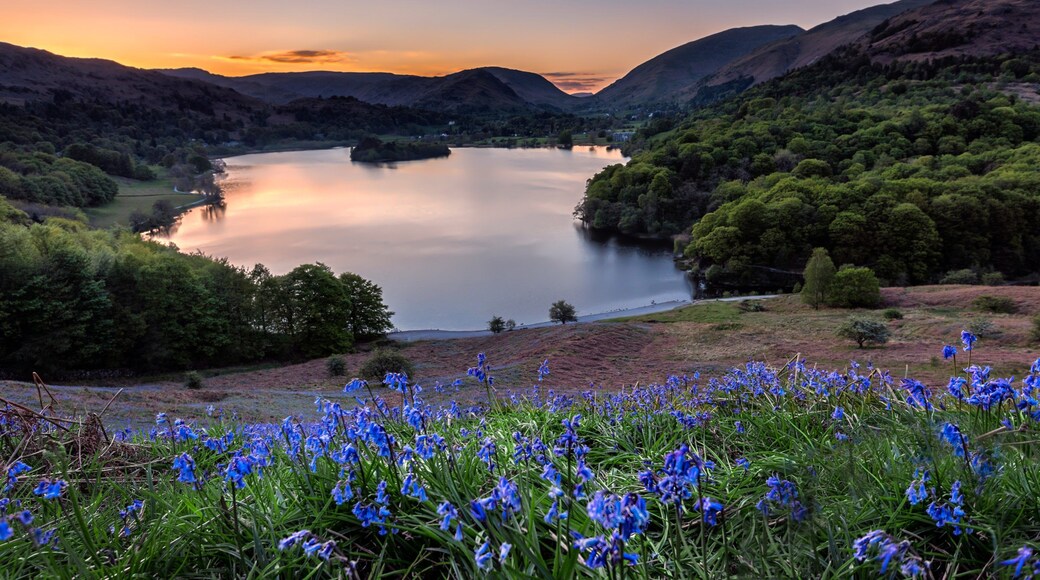
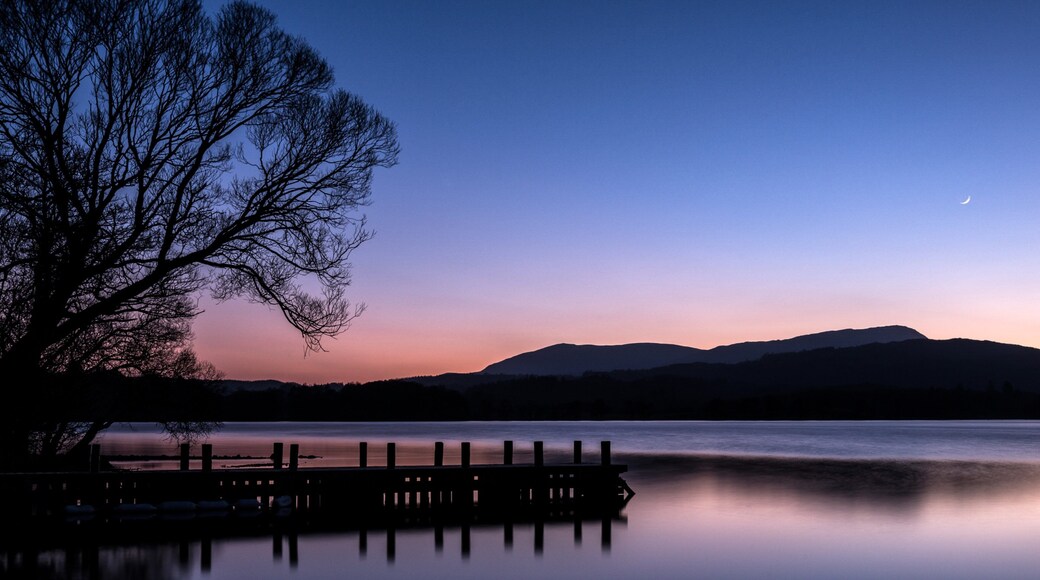
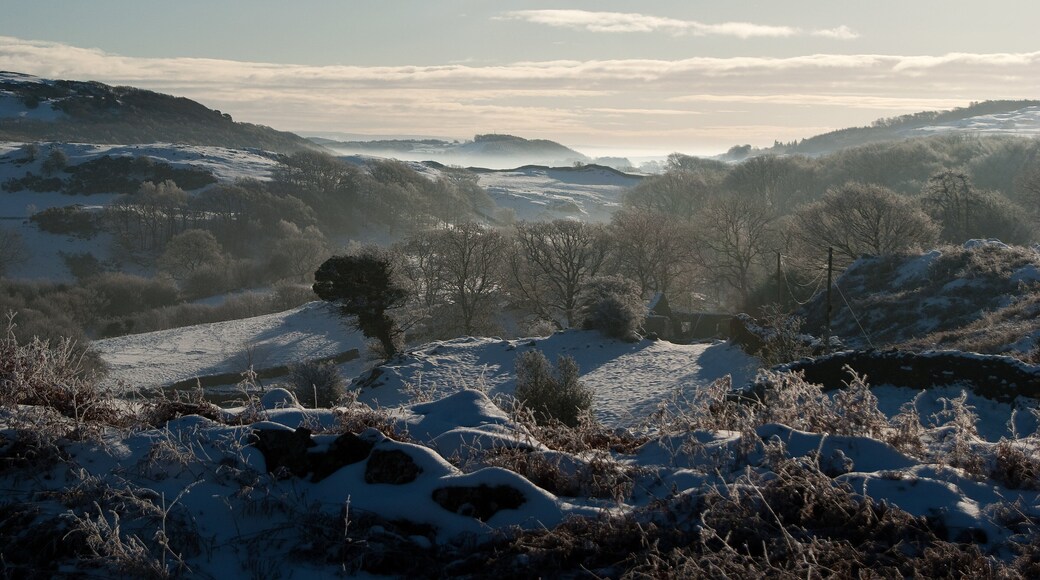

From the heights of Skiddaw to the depths of Wastwater, Lake District weekend breaks comprise the best of England’s green and pleasant land.
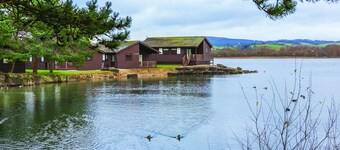
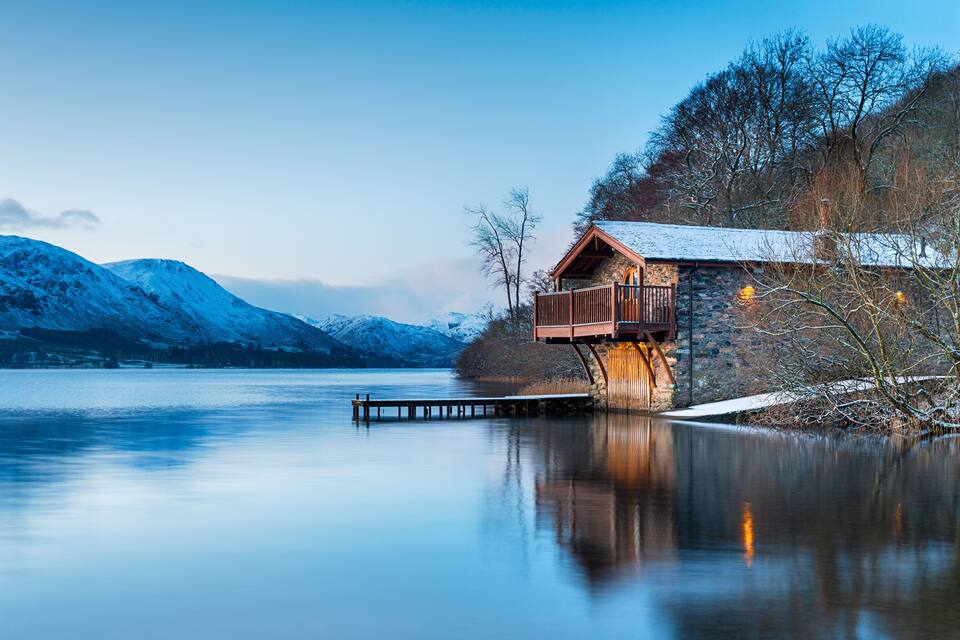
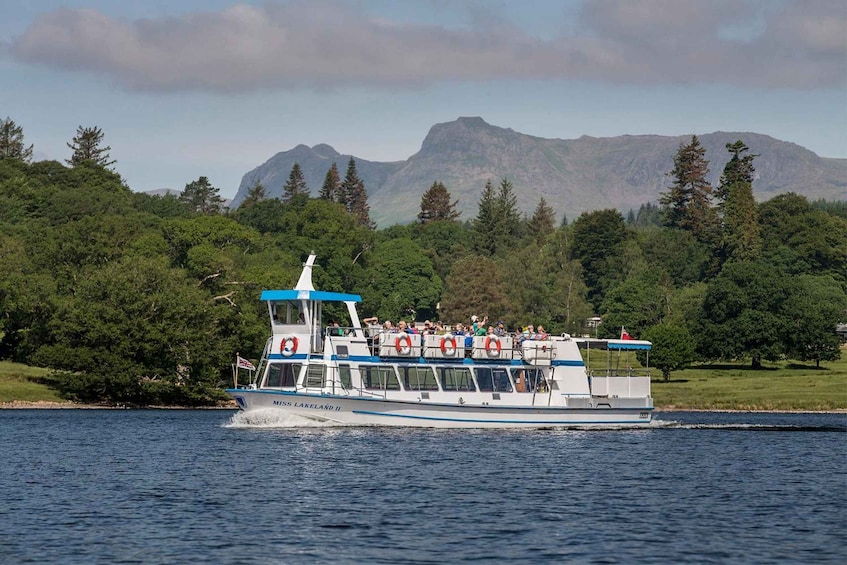
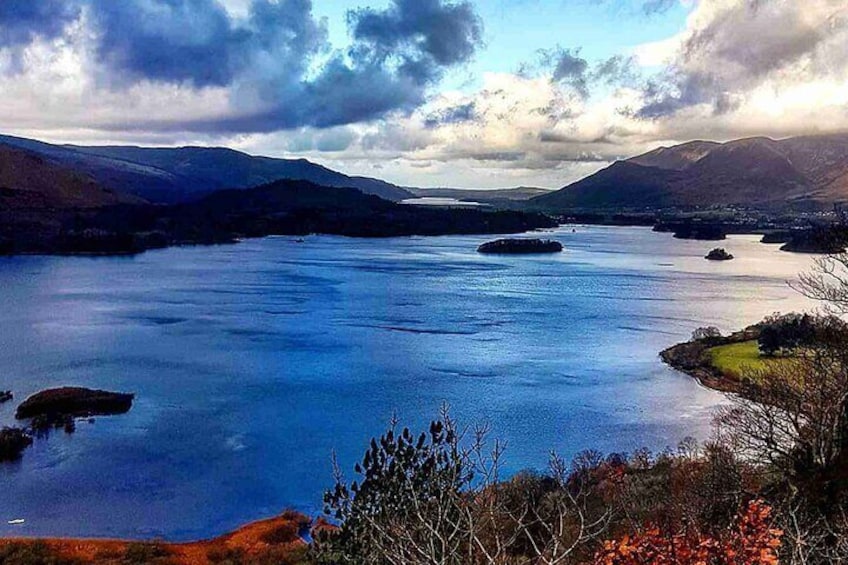
Spanning more than 2,000 square kilometres, Lake District holidays wrap up the country’s finest natural attractions in a pretty bow. Lake Windermere, for instance, is the Lake District’s largest lake and one of the most spectacular of its kind. With winding woodland trails, deep fells and azure waters, it’s no surprise that this natural wonder is a popular stop-over point for visitors in the region.
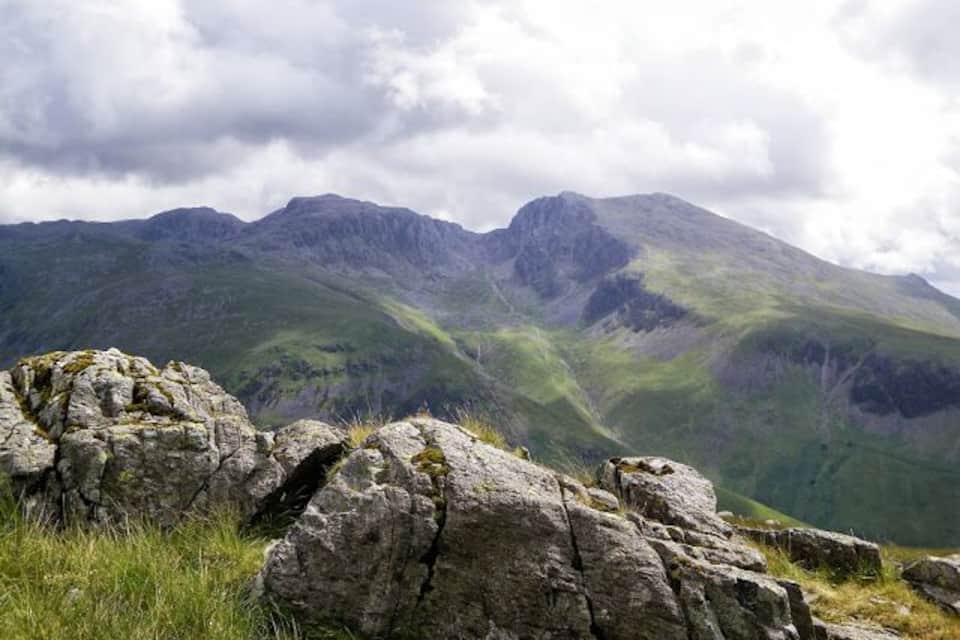
For panoramic views, you’ll want to lace up your walking boots and scramble to the top of Scafell Pike. At 978 metres tall, this is the country’s highest mountain and, on a clear day, boasts unrivalled views across the Mourne Mountain in Northern Ireland and the frosty peaks of Snowdonia in Wales – a must-see on any Lake District break.
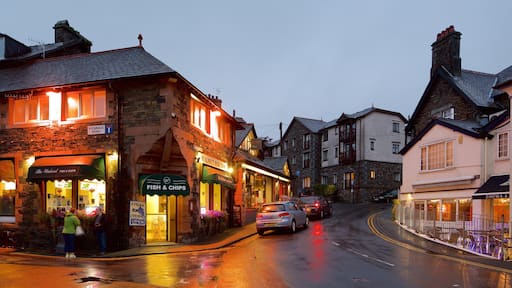
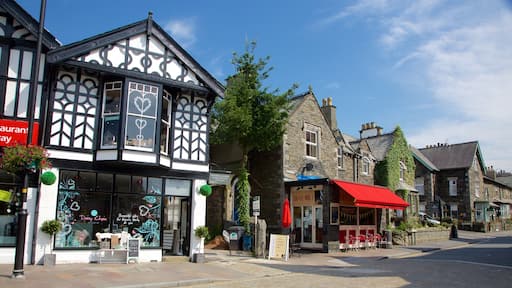
Looking for some local entertainment on your Lake District holiday? Pocketed around the edges of the Great Lakes are quaint market towns and villages, where friendly locals and family-run restaurants offer up fantastic food and entertainment.
Two of the most popular areas in the Lake District, Keswick and Ambleside, can be found pulled up neatly beside the area’s tallest mountains – perfect for taking in breath-taking views from your doorstep.
If you’re looking to go off the beaten track on your Lake District break, you’ll want to visit Grasmere. This hilly village is collared by high ground, and even has the river Rothby running beside it. In fact, so picturesque is Grasmere that William Wordsworth once described it as the “most beautiful spot man hath ever found”.