Things to do in Kineta
Shopping
In Kineta, explore local shops and markets for unique gifts and souvenirs. The nearby Megara Market offers a delightful selection of traditional products, while the local boutiques provide a charming shopping experience. Don't miss the chance to immerse yourself in the local culture as you shop.
Recreation
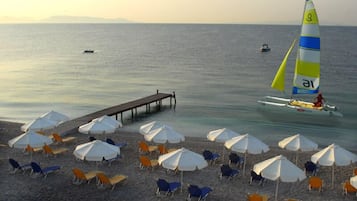
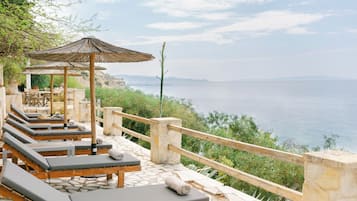
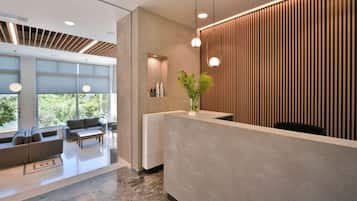
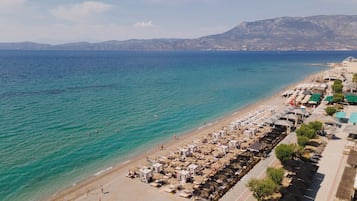
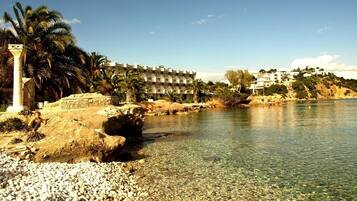
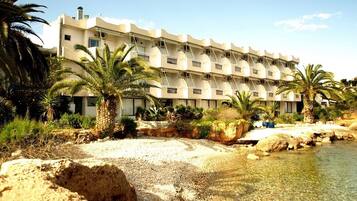
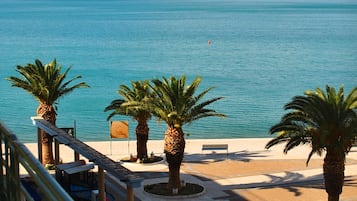
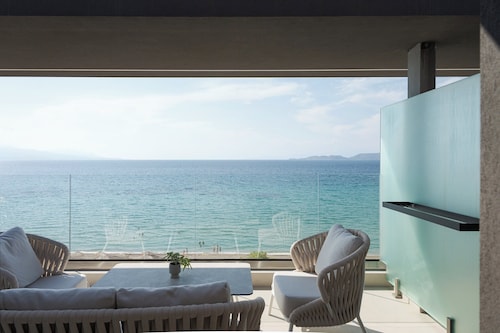
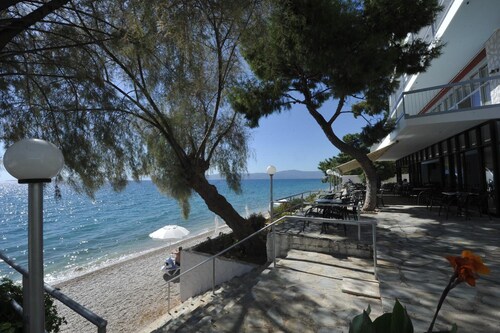
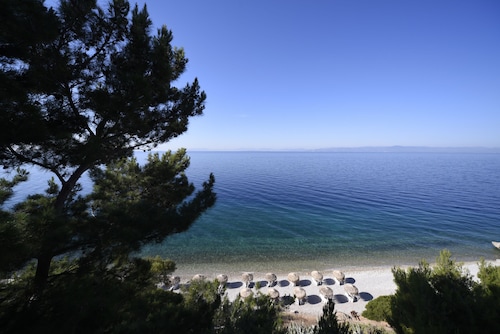
In Kineta, indulge in rejuvenating treatments at the Aeolos Spa, where traditional Greek therapies meet modern wellness practices. For outdoor relaxation, explore the tranquil beaches and take part in yoga sessions by the sea, allowing you to connect with nature while unwinding amidst stunning coastal views.
Adventure
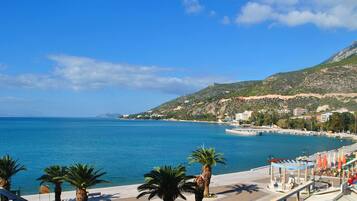
In Kineta, explore the rugged beauty of the coastline with thrilling water sports like jet skiing and paddleboarding. Venture inland for scenic hiking trails that offer stunning views of the surrounding mountains, or enjoy cycling along picturesque paths, immersing yourself in the local landscape.
Nightlife
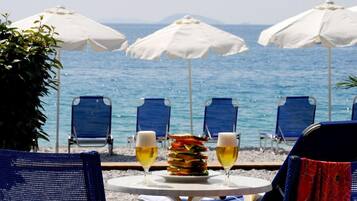
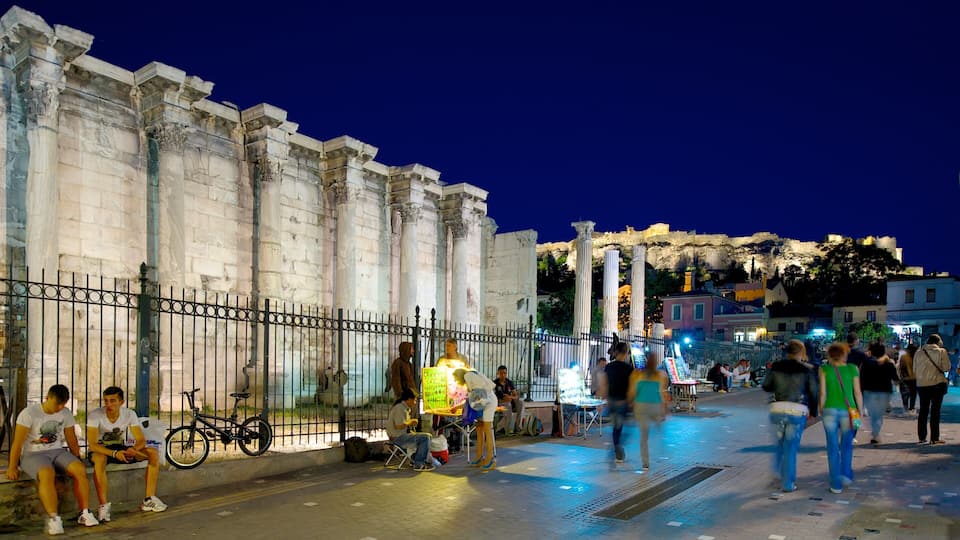
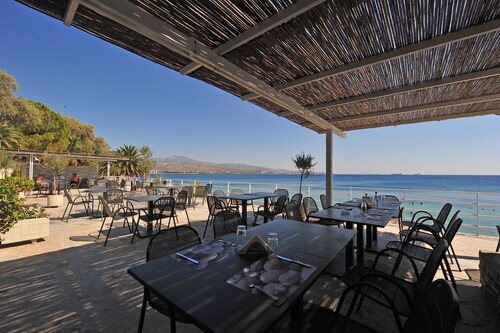
Explore the lively atmosphere at the Kineta Beach Bar, offering refreshing cocktails and stunning sea views. For a more intimate vibe, visit the local tavern where you can enjoy traditional Greek music and dance, immersing yourself in the culture while savouring delicious local dishes.
*Distances are measured in a straight line; actual driving distances may vary depending on the route.

























































 Calendar Month
 Temperature
 Precipitation
 Cloudiness
 Occupancy
 Pricing