Immerse yourself in the profound legacy of Gustav Klimt at the Klimt Villa, where art, history, and nature converge to create an unforgettable experience.
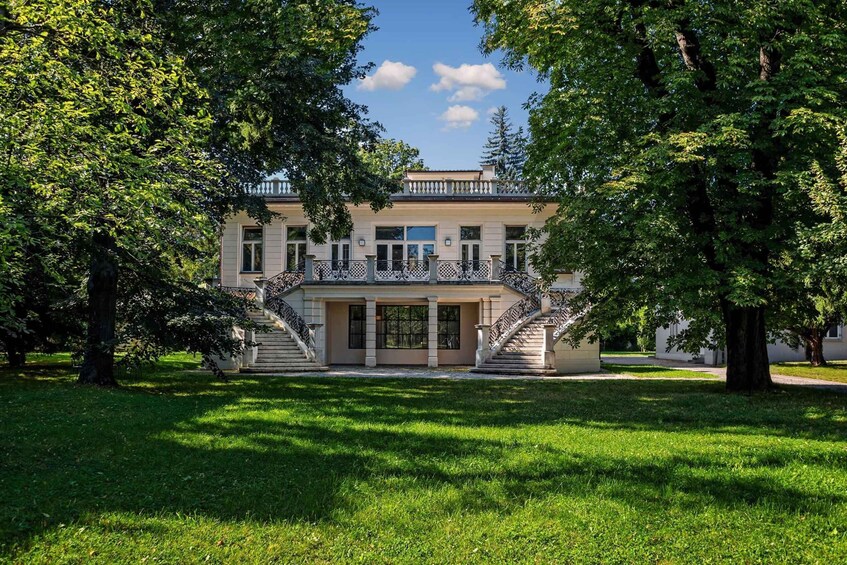
Surrounded by a spacious garden, this historic neo‑baroque, two‑story building served as Klimt’s creative sanctuary from 1911 until his passing in 1918, giving life to timeless masterpieces like “Adele Bloch‑Bauer II,” “Friederike Beer,” “The Bride,” “Adam and Eve,” and “Lady with Fan.”
Discover how Klimt’s studio underwent a posthumous transformation from a ground‑floor garden house into the neo‑baroque villa you see today. A unique room‑in‑room construction method preserved Klimt’s original place of work—making his reconstructed studio and reception room the highlights of your visit to the Klimt Villa.
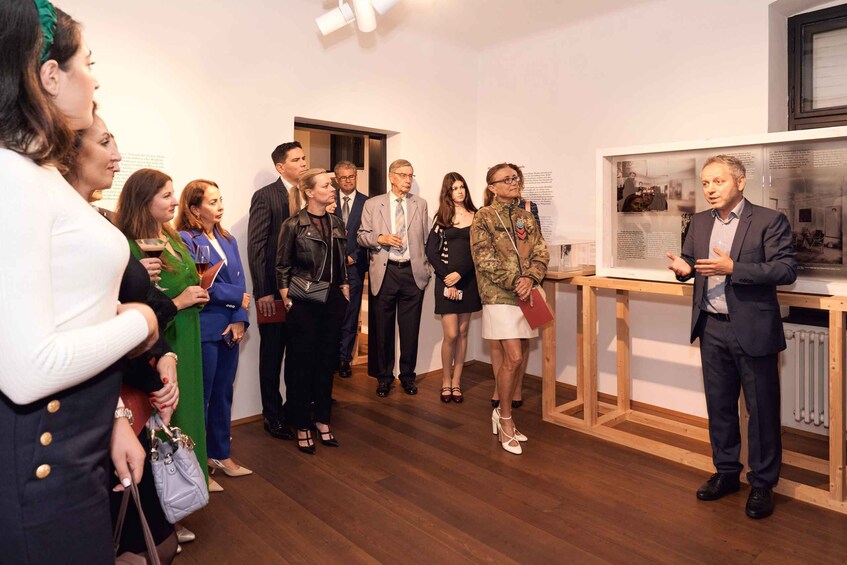
Explore the “Klimt Lost” exhibition, shedding light on the moving history of the persecution and looting of Klimt’s collectors and works during National Socialism, as well as the thought‑provoking fates of the surviving collectors and their often decade‑long fight for restitution and justice.
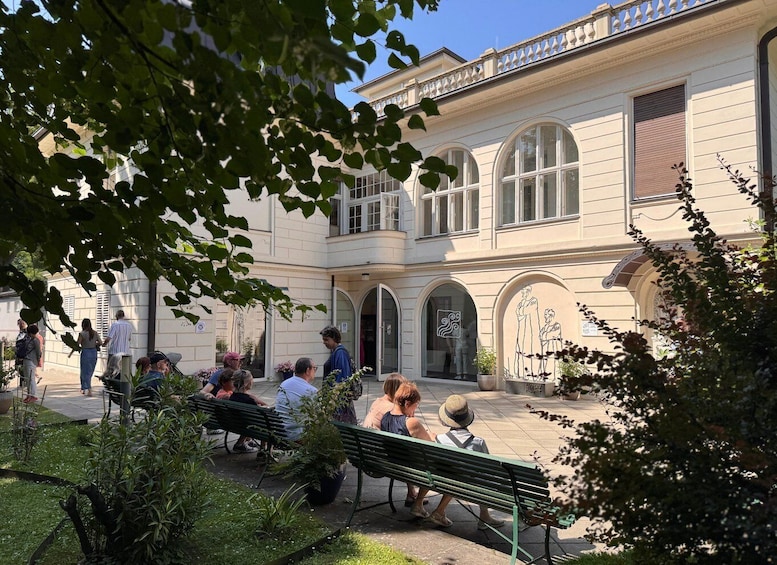
Catch a glimpse of the floral beauty that once surrounded Klimt’s studio and inspired his work. The expansive garden is continuously restored to maintain its historic charm. At its heart bloom Damask roses, originally planted around 1900. Now lovingly cultivated, these roses—known as the “Klimt Rose”—grace the garden with their delicate beauty from mid‑May to late June.
Linger, savor the moment, and enjoy coffee and cake at the Garden Café, open on weekends from May to September in fair weather.
Browse the gallery on the upper floor of the Klimt Villa—high‑quality light prints and art reproductions of works by Gustav Klimt, Egon Schiele, and Oskar Kokoschka will give you an insight into the geniuses of Viennese Modernism.