

- List your property
- Support
- Trips
 Members save 10% or more on over 100,000 hotels worldwide when you’re signed in
Venice Carnival Museum - Skip-the-Line Ticket
Reviews
Features
- Free cancellation available
- Mobile voucher
- Instant confirmation
- Multiple languages
Overview
- Private collection with works by Picasso, Chagall and Mirò
- Elegant atmosphere with musical accompaniment
- A secret museum on the Zattere waterfront
- No waiting, a smooth visit
- Near St. Mark's. 15-minute walk
Activity location
- Venice
- Venice, Veneto, Italy
Meeting/Redemption Point
- Fondamenta Zattere Al Ponte Lungo, 1387, 30123 Venezia VE, Italia
- Venezia, Veneto, Italy
Check availability
Venice: Skip-the-Line Ticket for the Venice Carnival Museum in Multilingual
- Opening hours: Tue 10:00-19:00
- English
What's included, what's not
- Admission to the Venice Carnival Museum, access to the permanent collection, immersive exhibition route with musical accompaniment, self-guided visit to the museum spaces, assistance from on-site staff.
Know before you book
- Not allowed: Alcohol and drugs, Food and drinks, Making noise, Smoking indoors, Touching the exhibits, Vaping
What you can expect
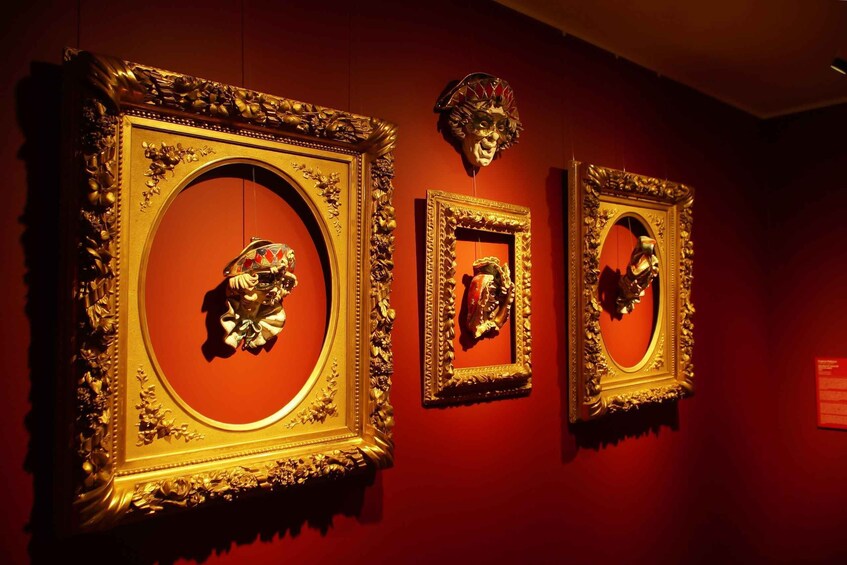
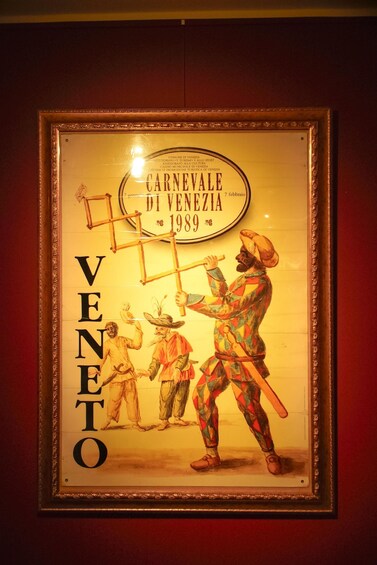
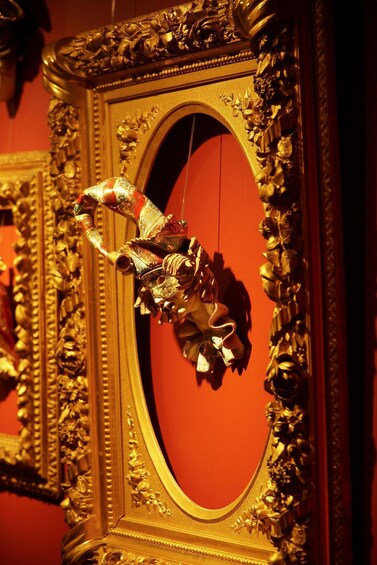
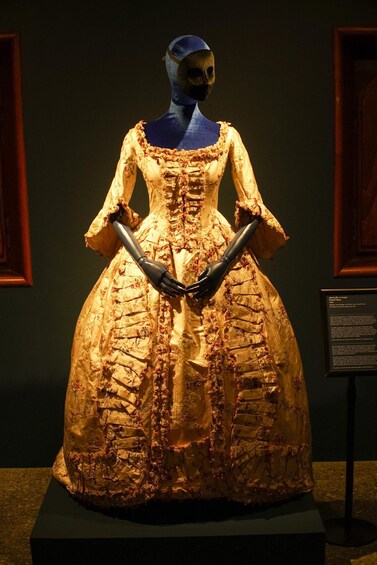
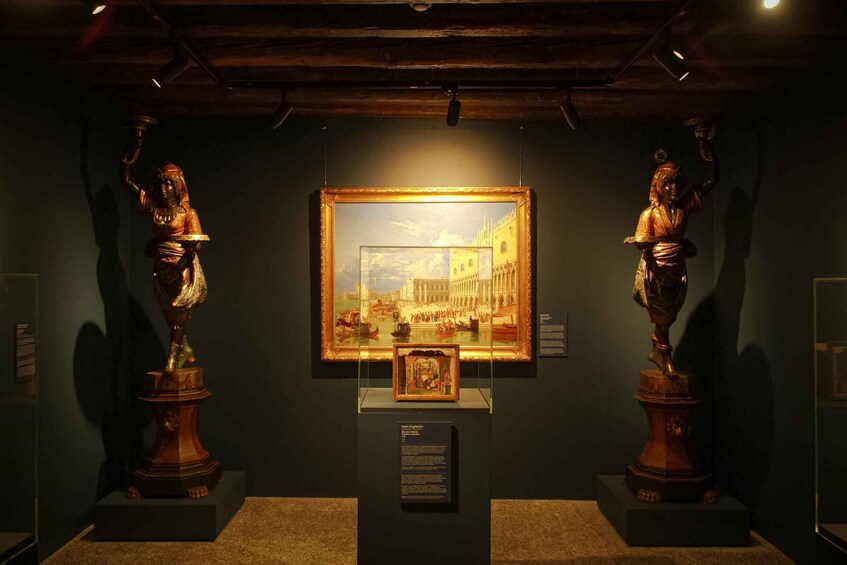
Telling the story of Carnival as an aesthetic and social phenomenon. And where, if not in Venice? The Venice Carnival Museum aims to consolidate the link between the local cultural identity – in the Serenissima, the Carnival was declared a public holiday by an edict of the Senate in 1296 – and the artistic imagination that over time has drawn on the influences of an ancient collective ritual. At Palazzo Dolcetti, in Fondamenta Zattere at Ponte Longo, this story takes shape through works of painting, sculpture, and ceramics, as well as historical costumes that make up Arnold Uvarov's private collection. For many years, the collector has gathered works inspired by the Carnival and Commedia dell'Arte, with the aim of bringing lost Venetian artifacts back to light, but also to show how much the Venice Carnival has influenced the masters of art history. The Venice Carnival Museum, which is divided into five exhibition spaces, therefore follows the common thread of transformation and ambiguity through the works on display, which are the work of internationally renowned artists – from Gino Severini to Joan Mirò to James Holland – and figures closely linked to the Venetian tradition and the applied arts, such as Geminiano Cozzi and Luigi Fabris. The collection spans three centuries of history, from the 18th to the 20th century, and also includes two works by Picasso and a plate signed by Jean Cocteau (in the fifth room, dedicated to the 20th century and the evolution of Carnival in modern art). The journey begins by delving into the theatrical and spectacular dimension of Venice, then explores the theme of identity and its disguises, celebrating the human figure and the worldliness of the Venice Carnival. Here, next to the paintings by Claudio Rinaldi and Henri Serur, are the decorative porcelain works by Geminiano Cozzi and the dress that belonged to the favorite of the son of the King of France, Louis XV. The third room is a tribute to Venice through a series of oil-on-canvas paintings dating from the first half to the mid-20th century, depicting urban scenes, landscapes, and festive moments of the Carnival. The room also houses Fabris' sculptures on the theme of the mask. In the fourth room, meanwhile, the focus is on the desire for modernity, elegance and progress that was gaining ground at the beginning of the 20th century. The Delphos dress by Mariano Fortuny also represents this period. It closes with a focus on the influences of Carnival on the art world. The figures of the Commedia dell'Arte — Harlequin, Pulcinella, Pierrot — re-emerge as symbols of freedom, metamorphosis and inner resistance in the works of Picasso, Cocteau and Severini. And Carnival becomes an intimate and creative act. “We wanted to restore the Carnival to its complexity, to show its reflections in art, fashion, and social life from different periods. This museum is a tribute to Venice, to its ability to transform itself and inspire creativity in every era,” explains Uvarov.
Location
Activity location
- Venice
- Venice, Veneto, Italy
Meeting/Redemption Point
- Fondamenta Zattere Al Ponte Lungo, 1387, 30123 Venezia VE, Italia
- Venezia, Veneto, Italy