

- List your property
- Support
- Trips
 Members save 10% or more on over 100,000 hotels worldwide when you’re signed in
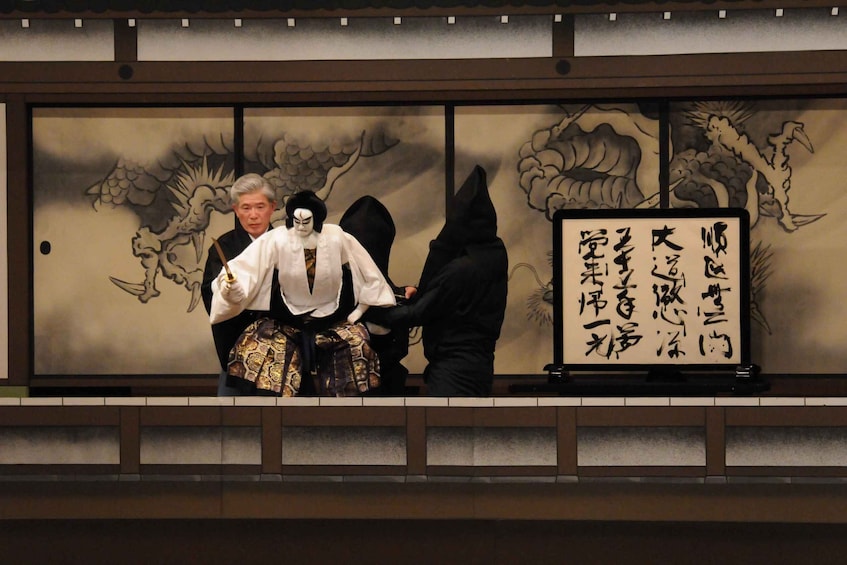
Tokyo: KABUKI, BUNRAKU, etc. presented by National Theatre
By National Theatre, Japan
9.6 out of 10
Exceptional
Free cancellation available
Features
Overview
Activity location
Meeting/Redemption Point
Check availability
BUNRAKU with Audio Guide in Yokohama - Night performance
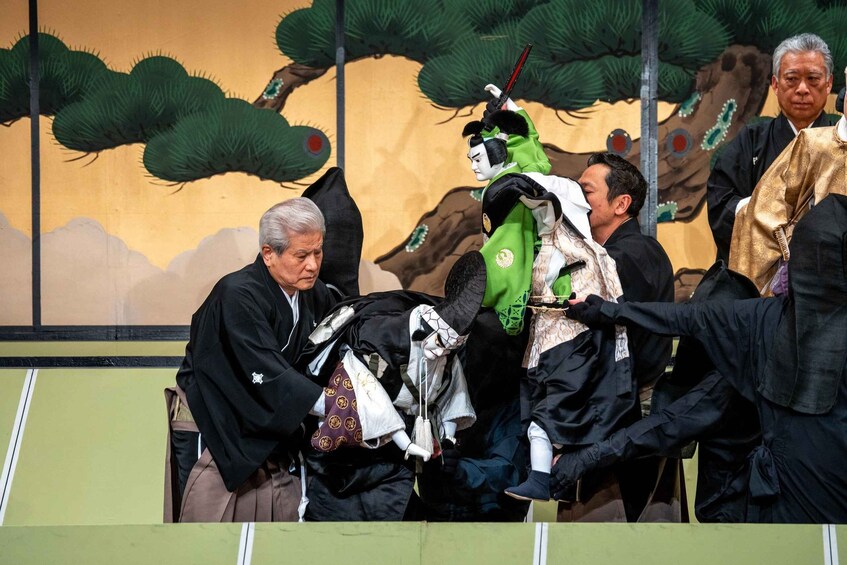
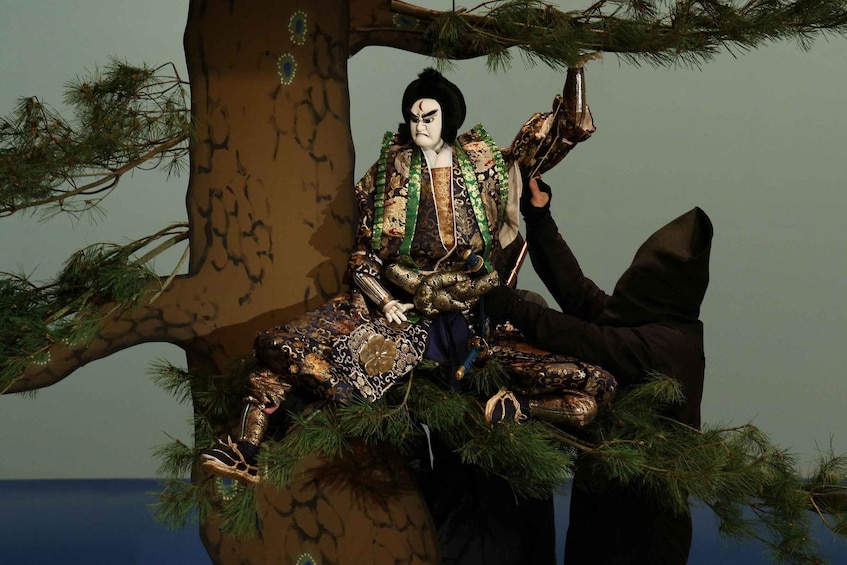
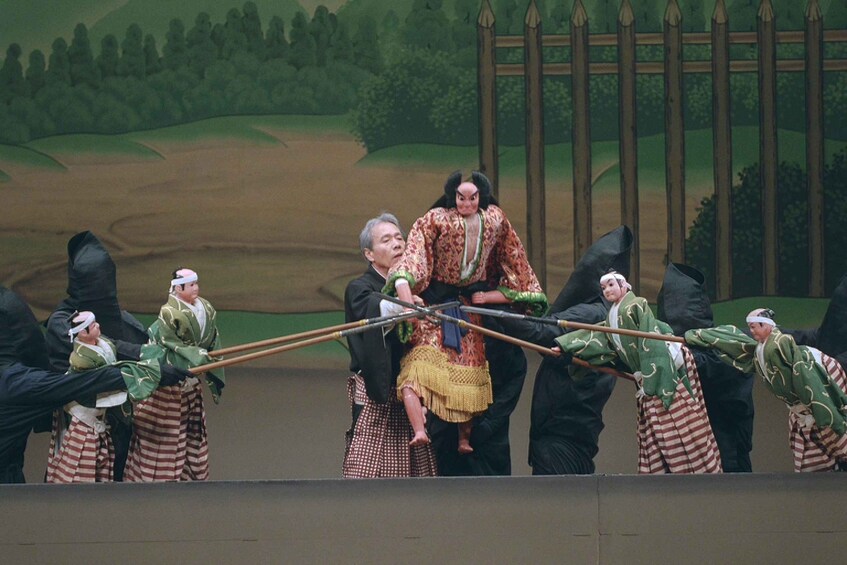
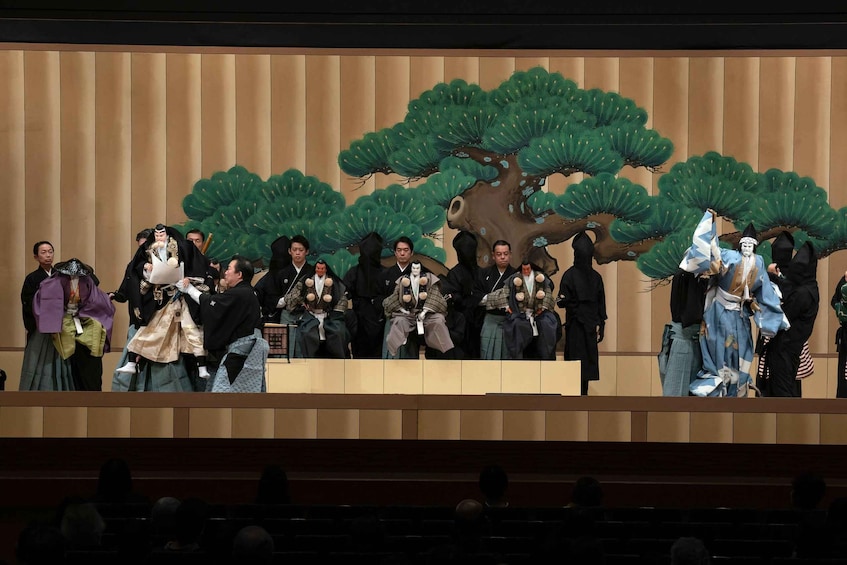
BUNRAKU : Traditional Japanese puppet performance. The venue is in Yokohama. Performances will be given in classical Japanese. English audio guide will explain the contents during the performance. Experience the captivating world of Bunraku!
Language options: English
Starting time: 18:30
Price details
P 2,196.95 x 1 AdultP 2,196.95
Total
BUNRAKU with Audio Guide in Yokohama - Daytime performance
BUNRAKU : Traditional Japanese puppet performance. The venue is in Yokohama. Performances will be given in classical Japanese. English audio guide will explain the contents during the performance. Experience the captivating world of Bunraku!
Language options: English
Price details
P 3,712.09 x 1 AdultP 3,712.09
Total
What's included, what's not
Know before you book
- Not allowed: Alcohol and drugs, Audio recording, Making noise, Pets (assistance dogs allowed), Photography inside, Smoking, Video recording