Taj Mahal – Agra
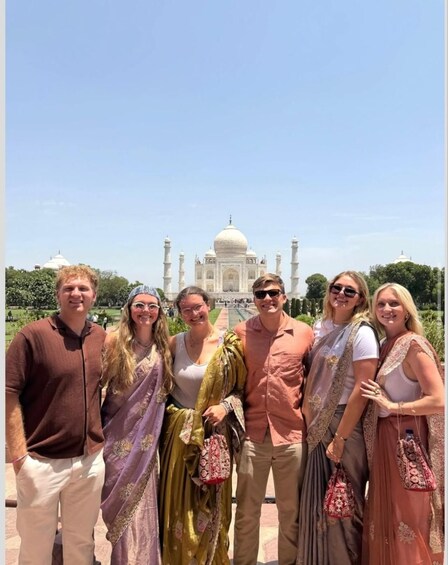
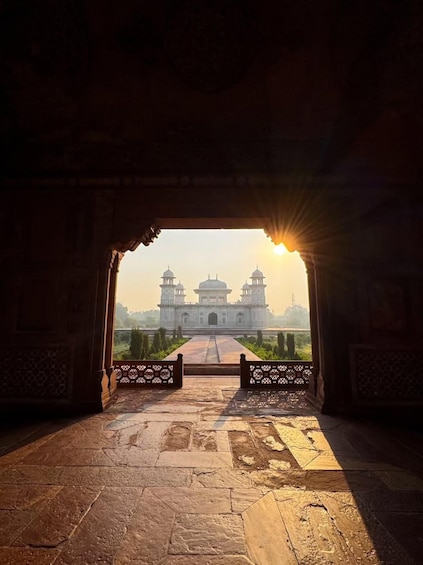
The Taj Mahal is a UNESCO World Heritage Site and one of the Seven Wonders of the World. Built in the 17th century by Mughal Emperor Shah Jahan in memory of his wife Mumtaz Mahal, it symbolizes eternal love. Crafted entirely from white marble, the monument is renowned for its perfect symmetry, intricate marble inlay work with semi-precious stones, elegant Quranic calligraphy, and grand Mughal gardens. The central mausoleum houses the cenotaphs of Shah Jahan and Mumtaz Mahal, while the peaceful surroundings and reflecting pools enhance its timeless beauty.
Agra Fort – Agra
Agra Fort is another UNESCO World Heritage Site and was the main residence of the Mughal emperors. Built mainly by Emperor Akbar and later enhanced by Shah Jahan, this massive red sandstone fort contains royal palaces, mosques, audience halls, and courtyards. Major attractions include Diwan-i-Aam, Diwan-i-Khas, Jahangir’s Palace, Khas Mahal, and Musamman Burj, from where Shah Jahan admired the Taj Mahal during his final years. The fort reflects Mughal power, luxury, and architectural brilliance.
️ Fatehpur Sikri – Near Agra
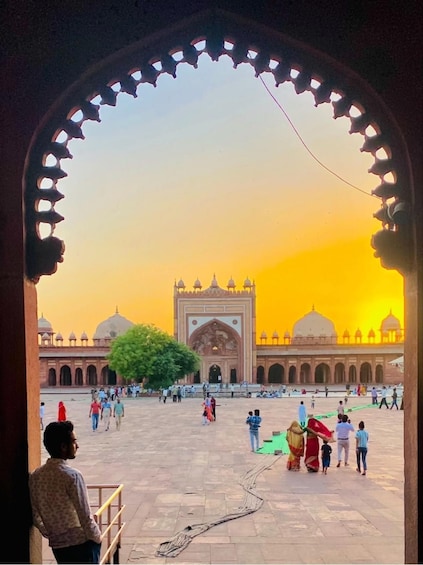
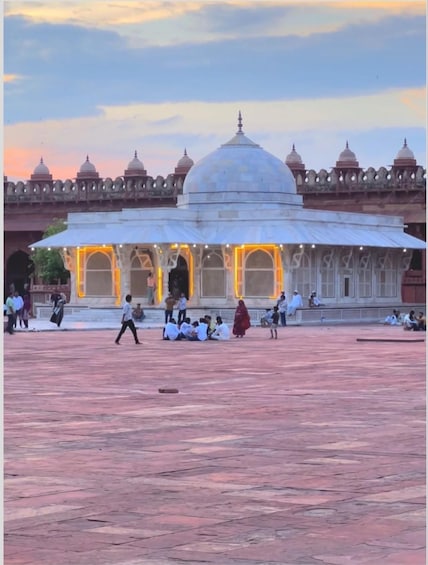
Fatehpur Sikri, located about 40 km from Agra, is a beautifully preserved Mughal city built by Emperor Akbar. Made primarily of red sandstone, it served as the Mughal capital for a short time before being abandoned due to water shortages. Key highlights include the grand Buland Darwaza, Jama Masjid, Tomb of Salim Chishti, Diwan-i-Aam, Diwan-i-Khas, Panch Mahal, and royal palaces. The city showcases a unique blend of Islamic, Hindu, and Persian architectural styles and reflects Akbar’s vision of harmony and governance.