





Understand Local Life - La Paz & El Alto Walking Tour
By Bolivian Nexus Travel
Reviews
10 out of 10
Exceptional
Free cancellation available
Features
Overview
Activity location
Meeting/Redemption Point
Check availability
Private La Paz & El Alto Walking Tour
Enjoy the experience exclusively with your group, with a private guide, a more flexible pace, bottled water and an exclusive Alpaca Steps souvenir.
Price details
P 1,172.49 x 1 TravelerP 1,172.49
Total
Small-Group La Paz & El Alto Walking Tour
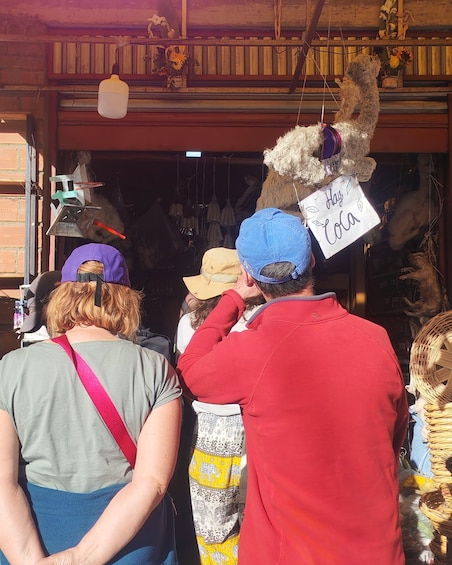
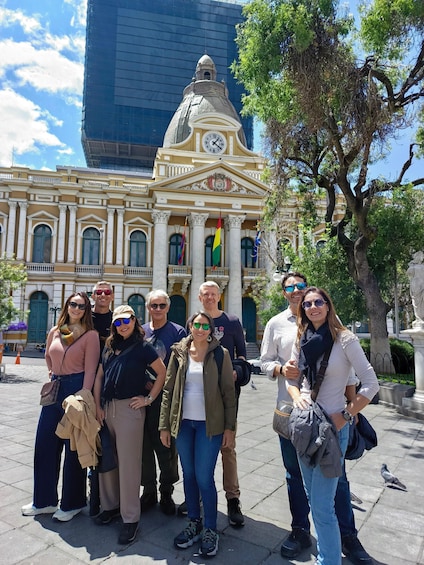
Explore La Paz and El Alto in a small group while understanding everyday life, local beliefs, markets and how both cities work together.
Language options: English
Price details
P 802.23 x 1 AdultP 802.23
Total
What's included, what's not
Know before you book
- Not allowed: Alcohol and drugs, Smoking
- Not suitable for: Children under 10 years, People over 70 years, People with heart problems, Wheelchair users