


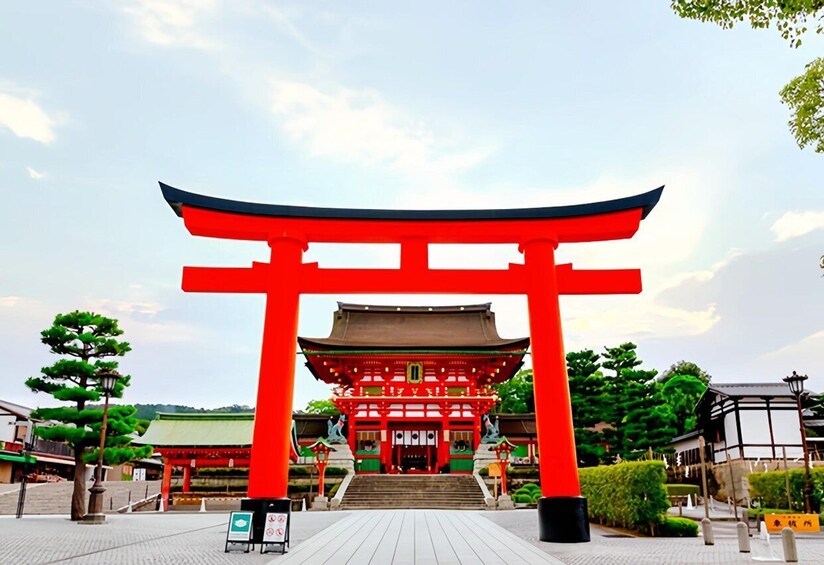
Kyoto: Fushimi Inari Torii & Shinto Private In-Depth Tour
By 解読京都 | Unveil Kyoto・筱㍿ | Shino Co., Ltd.
Reviews
10 out of 10
Exceptional
Free cancellation available
Features
Overview
Activity location
Meeting/Redemption Point
Multiple meeting/redemption points available, see location information for full list
Check availability
R1: Private Essential In-Depth Tour – Your Group Only (1.5h)
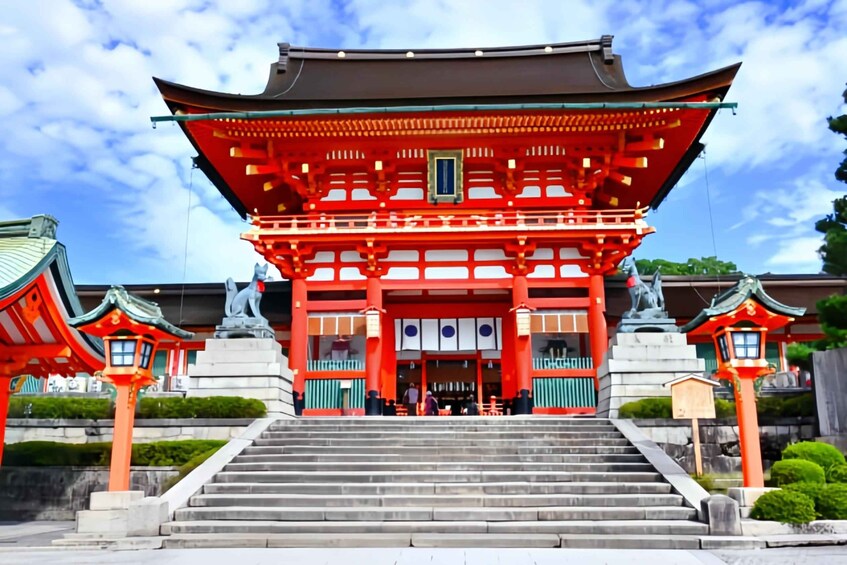
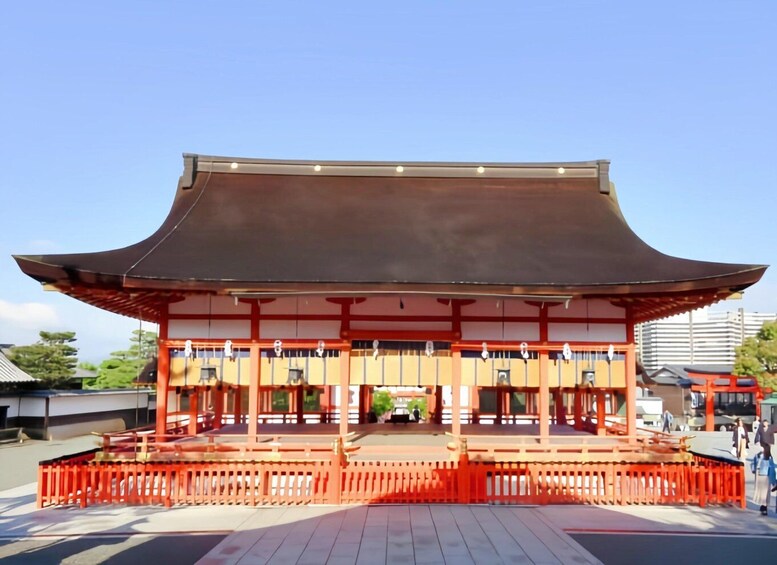
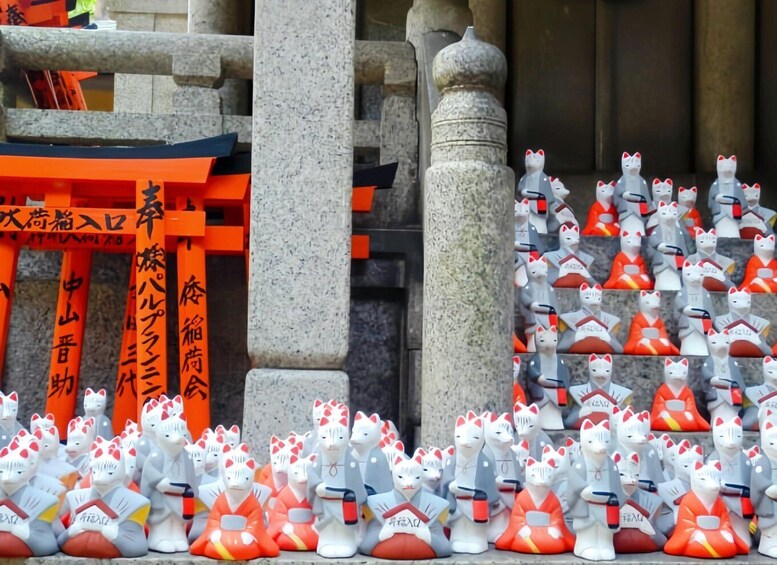
1.5 hours. A focused in-depth route covering Fushimi Inari’s history, shrine etiquette, fox symbolism, key ritual spaces, Senbon Torii, Oku-sha Haisho, Omokaru Stone, and hidden details through the Root-Rising Pine area.
Price details
Total
30% off
R2: Private Complete In-Depth Tour – Your Group Only (2.5h)
2.5 hours. A complete in-depth route covering the essential shrine core plus sacred rice fields and seasonal rituals, quiet pond-side areas, hidden sub-shrines, old amulet customs, and the Ura-sando rear approach.
Price details
Total
30% off
What's included, what's not
Know before you book
- Not allowed: Alcohol and drugs, Baby carriages, Climbing, Drones, Feeding animals, Littering, Luggage or large bags, Making noise, Non-folding strollers, Nudity, Oversize luggage, Pets (assistance dogs allowed), Smoking, Smoking indoors, Touching plants, Weapons or sharp objects
- Not suitable for: People over 80 years, People with back problems, People with heart problems, People with low level of fitness, People with mobility impairments, People with pre-existing medical conditions, People with recent surgeries, People with respiratory issues, People with vertigo, Pregnant women, Visually impaired people, Wheelchair users