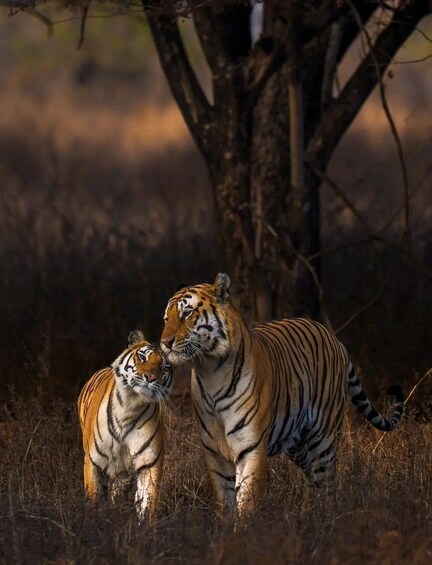
Jim Corbett National Park is India’s oldest national park and one of the most famous wildlife destinations in Asia. Established in 1936 as Hailey National Park and later renamed after the legendary hunter-turned-conservationist Jim Corbett, the park is a cornerstone of India’s wildlife conservation efforts and a key reserve under Project Tiger.
Located in the Himalayan foothills of Uttarakhand, the park covers more than 500 square kilometers of diverse landscapes including dense sal forests, riverine belts, grasslands, marshy depressions, and hills. The Ramganga River flows through the park, creating a rich ecosystem that supports a wide variety of flora and fauna.
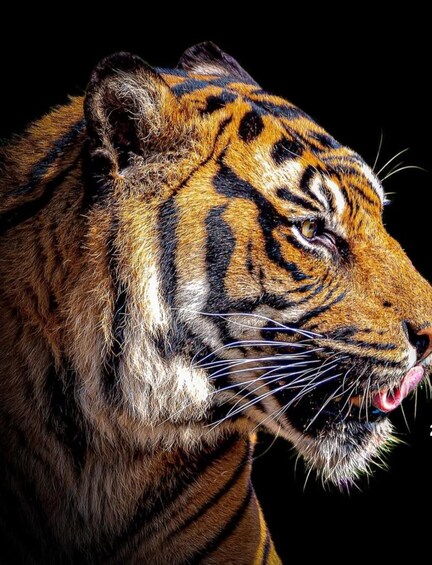
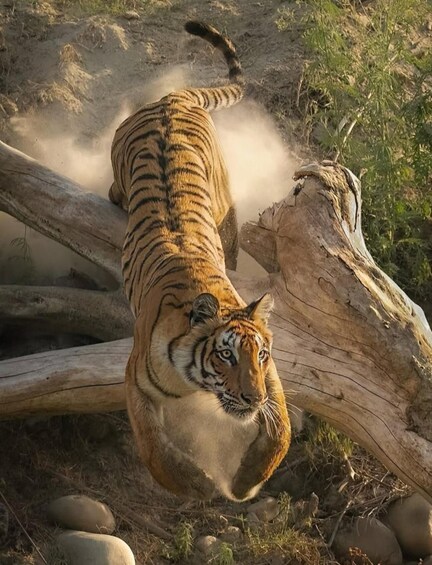
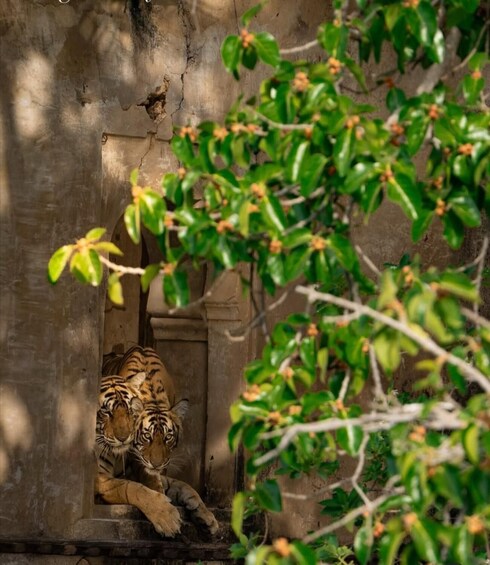
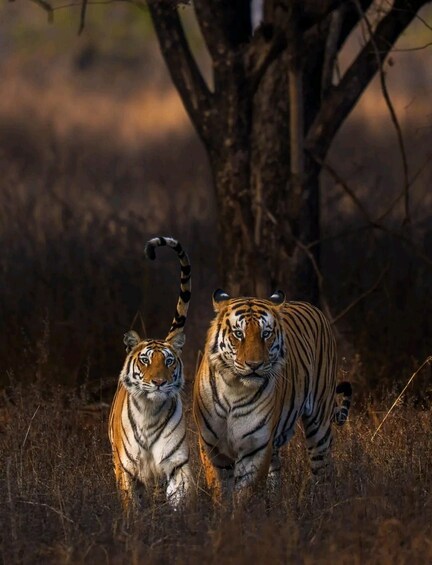
Jim Corbett National Park is best known for its population of the majestic Royal Bengal Tiger. Apart from tigers, visitors may also spot Asian elephants, leopards, sloth bears, spotted deer, sambar deer, gharials, and over 600 species of birds, making it a paradise for bird watchers and wildlife photographers.
The park is divided into several tourism zones such as Dhikala, Bijrani, Jhirna, Dhela, and Durga Devi, each offering a unique safari experience. Jeep safaris and canter safaris are the main ways to explore the wilderness, especially during early morning and late afternoon hours when wildlife activity is at its peak.