

expedia
Hagi: Kumaya Art Museum, Tea ceremony and garden tour 1
Picture 2 for Activity Hagi: Kumaya Art Museum, Tea ceremony and garden tour 2
Picture 3 for Activity Hagi: Kumaya Art Museum, Tea ceremony and garden tour 3

Hagi: Kumaya Art Museum, Tea ceremony and garden tour

By Public Foundation KUMAYA Art Museum
Free cancellation available
Price is P 3,032 per adult

Features

  • Free cancellation available
  • Mobile voucher
  • Instant confirmation
  • Multiple languages

Overview

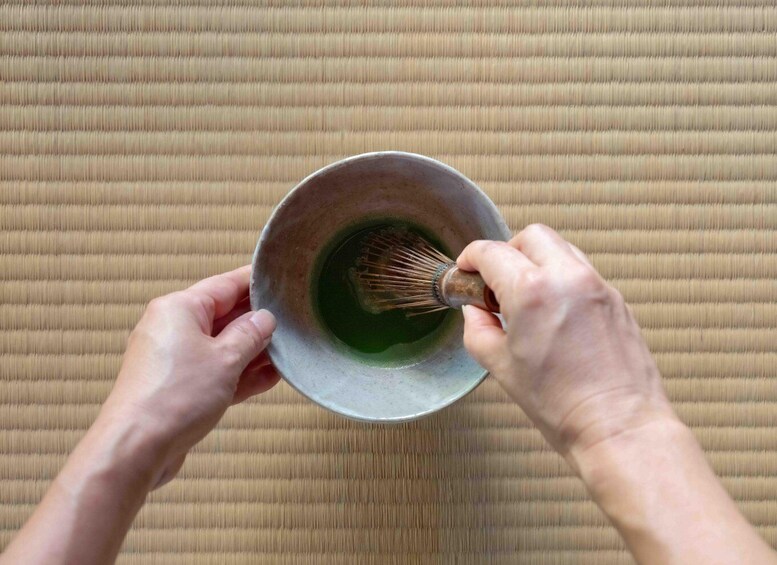
  • Experience a traditional Japanese tea ceremony at the Kumaya Art Museum
  • Learn about the history of the museum and the Kumaya family
  • Discover the museum's collection
  • Taste wagashi, a traditional Japanese sweet
  • Explore the museum's meticulously kept Edo-period gardens

Activity location

    • Yamaguchi
    • Yamaguchi, Yamaguchi, Japan

Meeting/Redemption Point

    • 日本、〒758-0052 山口県萩市今魚店町47
    • Hagi, Yamaguchi, Japan

Check availability

Hagi: Kumaya Art Museum, Tea ceremony and garden tour

  • English
Price details
P 3,032.17 x 1 AdultP 3,032.17
Total
Price is P 3,032.17

What's included, what's not

  • What's includedWhat's included
    Tea ceremony experience
  • What's includedWhat's included
    Tasting of wagashi (Japanese sweets)
  • What's includedWhat's included
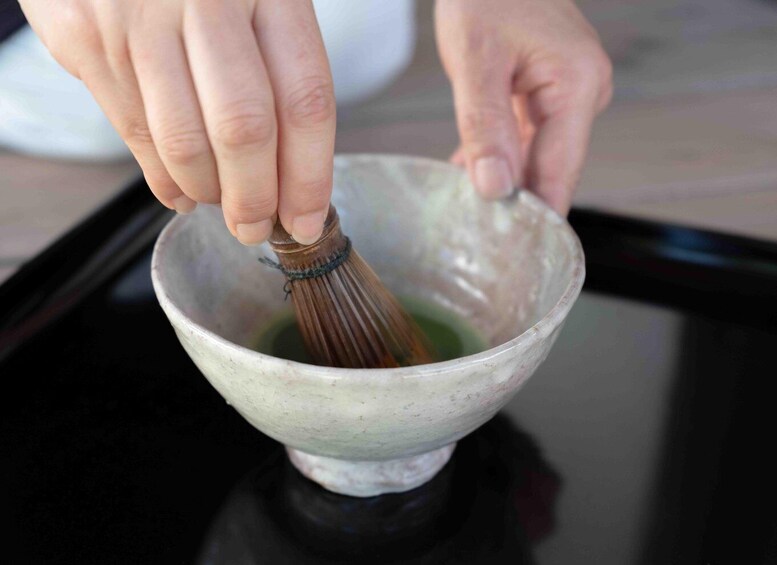
    Introduction to the use of tea utensils

Know before you book

  • Not allowed: Flash photography
  • Not suitable for: Children under 10 years, Pregnant women, Wheelchair users

What you can expect

Delve into the traditions of Japan with a tea ceremony experience (Sa-do) at Kumaya Art Museum in Hagi, Yamaguchi pref. Find out how to use tea utensils, taste wagashi (Japanese sweets).

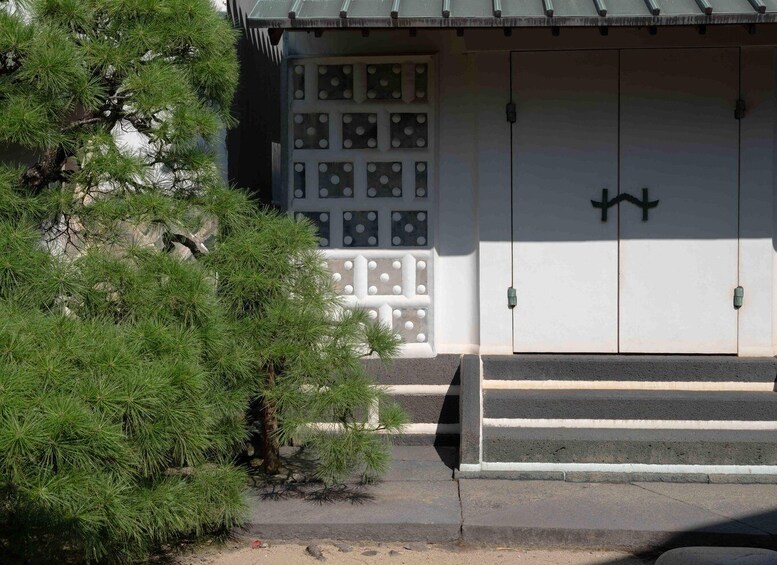
The museum’s collection is displayed in three large storehouses (kura) on the grounds. The Kumaya family, wealthy merchants and official purveyors to the Mōri lords during the Edo period, collected items such as ink paintings, tea utensils, documents, and books. Notably, the museum features Japan’s oldest piano, a British-style pianoforte gifted by Dr. Philipp Franz von Siebold in 1828.

The meticulously kept Edo-period gardens feature holly trees and a trio of pine, fir, and Elaeocarpus trees pruned in the “round, triangular, square” (maru sankaku shikaku) format favored in Zen art. A 600-year-old cycad and a 300-year-old Yōgō pine tree also grow in the garden.

Location

Activity location

  • LOB_ACTIVITIESLOB_ACTIVITIES
    • Yamaguchi
    • Yamaguchi, Yamaguchi, Japan

Meeting/Redemption Point

  • PEOPLEPEOPLE
    • 日本、〒758-0052 山口県萩市今魚店町47
    • Hagi, Yamaguchi, Japan